
If you're in the custom apparel business, you've probably heard about DTF transfers. This printing method has taken the industry by storm, offering a flexible and cost-effective way to produce vibrant designs on various fabrics. Whether you're a small business owner or a hobbyist, understanding the ins and outs of DTF can elevate your product quality and streamline your workflow. In this comprehensive guide, I'll walk you through everything you need to know about DTF transfers, from the technology behind them to practical application tips that ensure professional results every time.
What Are DTF Transfers?
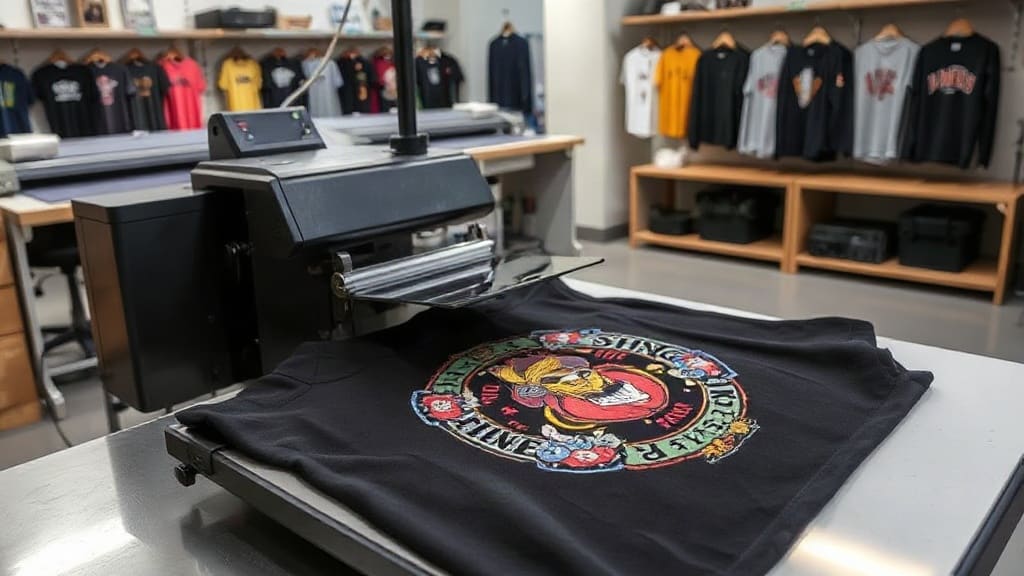
DTF stands for Direct to Film. In this process, a design is printed onto a special PET film using a DTF printer and specialized inks. The printed film is then coated with a hot-melt adhesive powder, which is melted and cured. To apply the transfer to a garment, you simply place the film on the fabric and apply heat and pressure with a heat press. The adhesive bonds with the fabric, leaving a durable, vibrant print that feels soft and stretches with the material.
Unlike traditional screen printing, DTF doesn't require screens or extensive setup. It's perfect for small to medium runs, full-color designs, and even photorealistic images. Plus, it works on a wide range of fabrics, including cotton, polyester, blends, and even some synthetics.
How DTF Printing Works: Step-by-Step
Understanding the DTF process helps you troubleshoot and optimize your printing. Here's a breakdown of the steps involved in creating a DTF transfer:
- Design Creation: Create your artwork using graphic software. Ensure it's high resolution (at least 300 DPI) and in CMYK color mode for accurate color reproduction.
- Printing on Film: Load the PET film into the DTF printer. The printer uses white ink as a base layer under the colored inks to make colors pop, especially on dark garments. The print comes out as a mirror image because you'll flip it onto the fabric.
- Applying Adhesive Powder: While the ink is still wet, cover the printed area with hot-melt adhesive powder. This powder sticks to the wet ink. Remove excess powder to ensure a clean transfer.
- Curing: Cure the powder and ink by passing the film through a curing oven or using a heat source. This melts the powder, creating a strong bond between the ink and the film.
- Transfer to Garment: Place the cured film on the garment with the printed side facing down. Apply heat and pressure using a heat press at the recommended temperature and time. Peel the film off either hot or cold, depending on the manufacturer's instructions.
This process may sound complex, but with practice, it becomes second nature. Many DTF printers come with detailed guides, and online tutorials can help you refine your technique.
Why Choose DTF Over Other Methods?
DTF transfers offer several compelling advantages over other printing methods like screen printing, heat transfer vinyl (HTV), and DTG (Direct to Garment).
Versatility in Fabric Types
One of the biggest draws is that DTF works on almost any fabric. Cotton, polyester, nylon, and blends all work beautifully. This flexibility means you can offer a wide range of products without worrying about fabric compatibility.
Detail and Color Vibrancy
DTF produces sharp, vibrant prints with excellent detail. The white ink base ensures that colors stay true even on dark fabrics. You can print gradients, shadows, and fine lines without the complexity of screen printing separations.
Cost-Effectiveness for Small Runs
No screens or expensive setup fees mean DTF is cost-effective for even single-item orders. You can print multiple designs in one run, making it ideal for on-demand and personalized products.
Soft Hand Feel and Durability
DTF prints have a soft, flexible feel that doesn't crack or fade easily. The adhesive creates a strong bond, so designs withstand many washes without losing quality.
Key Factors for High-Quality DTF Transfers
To get the best results from your DTF process, pay attention to these crucial elements:
- Quality Materials: Invest in high-quality PET films, DTF inks, and adhesive powders. Cheap supplies often lead to poor adhesion, color issues, or film that doesn't peel correctly.
- Proper Printing Settings: Calibrate your printer for correct color density and white ink coverage. Follow the manufacturer's recommendations for print speed and temperature.
- Adhesive Powder Application: Ensure even coverage of the adhesive powder. Too little results in poor adhesion; too much can cause stiff prints or excess powder on the garment.
- Heat Press Settings: Use the right temperature, pressure, and time. Typically, DTF transfers require around 300°F (150°C) and 15-20 seconds of pressure. Experiment to find the sweet spot for your specific products.
- Peeling Technique: Some films require hot peeling, others cold. Follow the transfer film's instructions to avoid damaging the print or leaving adhesive residue.
Common Mistakes and How to Avoid Them
Even experienced printers run into issues. Here are some frequent pitfalls and solutions:
- Print Cracking: This often happens when the film is cured incorrectly or the adhesive is insufficient. Ensure you cure the powder thoroughly and use enough adhesive.
- Faded Colors: If colors appear washed out, check your white ink layer. It might be too thin. Increase the number of white ink passes or adjust the print settings.
- Film Doesn't Adhere: This can be due to low pressure or heat during transfer. Make sure your heat press is calibrated and you're applying even pressure.
- Excess Powder Sticking: When powder gets on areas outside the design, it can leave a residue. Use a powder shaker with a fine mesh and tap off excess carefully.
DTF Transfers for Business Growth
If you're considering adding DTF to your business, you're on the right track. Many entrepreneurs use DTF to create custom apparel for events, corporate clients, and e-commerce stores. The ability to print on demand reduces inventory risk and allows for endless customization. You can also offer DTF transfers as a product itself, selling pre-printed films to other printers or crafters who apply them themselves.
One of my clients, a small print shop owner, switched from screen printing to DTF for short-run jobs. He found that he could produce vibrant full-color shirts in minutes, whereas screen printing took hours of setup. This efficiency allowed him to take on more orders and expand his customer base. Another friend uses DTF transfers to create custom tote bags and masks, reaching a niche market that values unique, sustainable products.
Tips for Successful DTF Application
To ensure your transfers come out perfect every time, follow these application tips:
- Pre-Press Your Garment: For 2-3 seconds to remove moisture and wrinkles. This ensures better adhesion.
- Use a Teflon Sheet: Place a Teflon sheet or parchment paper over the film during pressing to protect both the heat press and the transfer.
- Test with Scrap Fabric: Before doing a final run, test a scrap piece to fine-tune your settings.
- Allow Proper Cooling: If using cold peel, let the transfer cool completely before removing the film. For hot peel, remove immediately but carefully.
Conclusion
DTF transfers have revolutionized the custom apparel industry, offering a versatile, high-quality, and cost-effective printing solution. Whether you're just starting or looking to upgrade your processes, DTF is definitely worth considering. With the right materials and techniques, you can create stunning products that your customers will love. So why not give DTF a try? Your next order could be your best seller yet.
Frequently Asked Questions
What is the difference between DTF and DTG printing?
DTG (Direct to Garment) prints directly onto the fabric with a specialized inkjet printer. It works best on 100% cotton and requires pre-treatment. DTF, on the other hand, prints onto a film that is then transferred to the fabric. DTF is more versatile because it works on various fabrics, including polyester and blends, and doesn't require pre-treatment.
Can I use DTF transfers on dark-colored garments?
Absolutely. One of the key advantages of DTF is that the white ink layer provides a base that makes colors pop on dark fabrics. Just ensure your design has a white underbase in the print file.
How many washes can a DTF transfer withstand?
With proper application and care, DTF transfers can last for many washes. They are durable and resistant to cracking, fading, and peeling. To maximize longevity, wash garments inside out in cold water and hang dry.
Do I need a special printer for DTF?
Yes, you need a DTF printer that can print with white ink and handle PET film. Some standard DTG printers can be converted, but it's often best to invest in a dedicated DTF printer to ensure consistent quality and reliability.
Can I sell DTF transfers that I make?
Yes, you can sell both the transfers and the finished garments. Many businesses sell pre-printed DTF films to other crafters who have heat presses. It's a thriving niche market.