
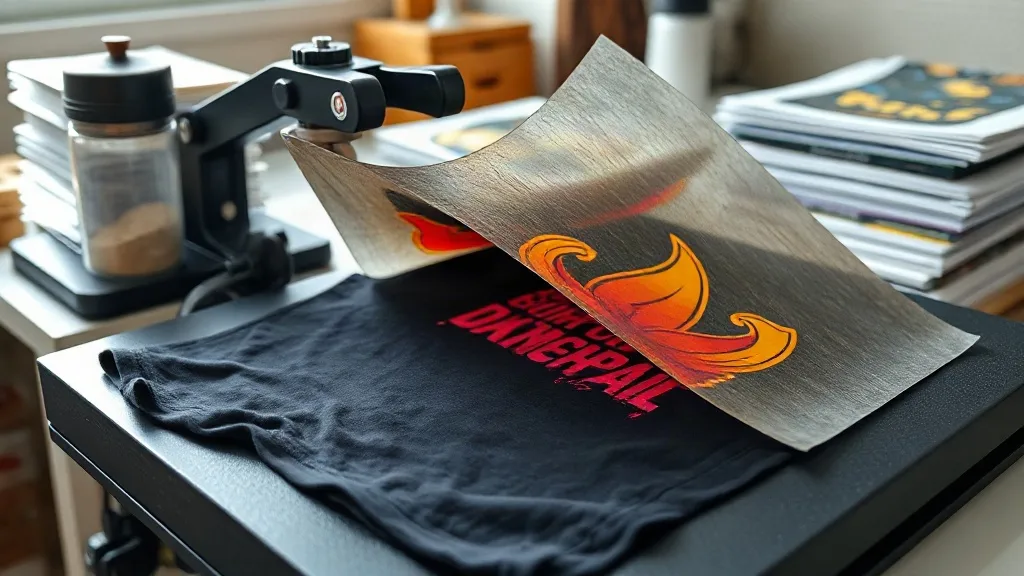
When you first hear about dtf printing, you might wonder what sets it apart from the dozens of other decoration methods out there. Maybe you've tried screen printing, vinyl cutting, or even sublimation, and you're looking for something that combines durability with incredible detail. That's exactly where Direct to Film (DTF) technology shines. Unlike traditional methods, DTF doesn't require weeding, doesn't limit you to certain fabrics, and can reproduce photographic images with stunning accuracy. In this guide, I'll walk you through everything you need to know about DTF transfers, from how they're made to how you can use them to grow your custom apparel business or simply create awesome gear for your team.
What Are DTF Transfers?
At its core, a DTF transfer is a printed design on a special film that is then coated with a adhesive powder and heat pressed onto a garment. The process begins by printing your artwork onto a PET film using pigment-based inks. A white ink layer is typically printed underneath the color layers to ensure opacity on dark fabrics. After printing, a hot melt adhesive powder is applied to the wet ink, and the film is cured. The result is a flexible, stretchable transfer that can be applied to cotton, polyester, blends, and even some leathers.
What makes dtf transfers so appealing is their versatility. You're not limited to 100% cotton like with traditional heat transfer vinyl, and you don't need a separate white underbase like with screen printing. The design can include gradients, fine lines, and tiny text, all of which come out crisp and vibrant.
The DTF Printing Process Step by Step
Understanding how DTF transfers are produced helps you appreciate their quality and troubleshoot any issues. Here's a breakdown of the typical workflow:
- Design Preparation: Your artwork is prepared in a RIP software, which handles color management and ensures the white layer is generated correctly.
- Printing: The design is printed onto a PET film using a DTF printer. The printer lays down CMYK inks followed by a white ink layer.
- Powdering: While the ink is still wet, the film passes through a powder shaker that applies a fine thermoplastic adhesive powder.
- Curing: The film goes through a curing oven or heat press to melt the powder and set the ink.
- Transfer Application: The finished transfer is placed on the garment and heat pressed. After cooling, the film is peeled away, leaving the design bonded to the fabric.
Each step requires attention to detail. For instance, if the powder isn't applied evenly, you might get weak adhesion. If the curing temperature is off, the transfer could crack. But once you dial in your settings, DTF is remarkably consistent.
Why Choose DTF Over Other Methods?
If you're a small business owner or a hobbyist, you might be weighing DTF against screen printing or DTG. Here's why DTF often comes out on top:
- No color limitations: You can print full-color images without worrying about spot colors or color separations.
- Fabric versatility: Works on cotton, polyester, nylon, leather, and more. No need to stock multiple types of vinyl.
- Cost-effective for short runs: Unlike screen printing, there are no setup fees or minimum orders. You can print one or one hundred.
- Durability: When applied correctly, DTF transfers withstand dozens of washes without fading or peeling.
- Detail reproduction: Fine lines, small text, and gradients come out sharp, making it ideal for complex logos and photos.
One of my clients switched from screen printing to DTF for their line of athletic wear because they needed a method that could stretch with the fabric without cracking. After testing several options, DTF transfers proved to be the most reliable, and their customers loved the soft feel.
How to Apply DTF Transfers Correctly
Applying a DTF transfer is straightforward, but following the right steps ensures a long-lasting result. Here's a quick guide:
- Preheat the garment: This removes moisture and wrinkles. Set your heat press to around 300-325°F (150-160°C).
- Position the transfer: Place the film with the design facing up on the garment. If you're using a transfer with a white layer, it should be against the fabric.
- Press: Apply medium to firm pressure for 10-15 seconds. Some films require a second press for 5 seconds after removing the carrier film.
- Peel: Wait for the transfer to cool completely before peeling the film. This is called a cold peel. Peeling while hot can distort the design.
- Post-press (optional): For extra durability, cover the design with a Teflon sheet and press again for 5-10 seconds.
Always test on a scrap piece of fabric first, especially if you're new to DTF. Different fabrics and transfer brands may require slight adjustments in temperature, pressure, or time.
Common Challenges and How to Overcome Them
Even with a solid process, you might run into a few hiccups. Here are some common issues and their fixes:
- Transfer not sticking: Usually caused by insufficient pressure, low temperature, or too short a press time. Increase one variable at a time.
- Cracking or peeling after washing: This often happens if the transfer wasn't cured properly or if the garment wasn't preheated. Make sure the powder is fully melted during production.
- Color fading: Using low-quality inks or washing with harsh chemicals can lead to fading. Recommend washing inside out in cold water and avoiding bleach.
- Film difficult to peel: If the film doesn't peel cleanly, it might be too hot or too cold. Wait a few seconds and try again.
With a bit of practice, you'll develop a feel for what works best with your equipment and materials.
DTF Transfers for Business: Scaling Up
If you're considering offering DTF services, the good news is that the equipment is becoming more affordable. A decent DTF printer, powder shaker, and heat press can fit in a small workshop. The key to profitability is efficiency: optimize your nesting to reduce film waste, batch similar jobs, and maintain a consistent workflow. Many entrepreneurs start with a single printer and expand as demand grows. Because DTF has no minimums, you can cater to one-off custom orders as well as bulk runs for teams and events. The margins can be attractive, especially if you source supplies in bulk and keep your process streamlined.
Frequently Asked Questions About DTF Transfers
How long do DTF transfers last on a shirt?
With proper application and care, DTF transfers can last 50+ washes. The key is to follow the recommended heat press settings and wash the garment inside out in cold water. Avoid ironing directly on the design.
Can I use DTF transfers on dark colors?
Absolutely. DTF transfers include a white ink layer that makes them opaque on dark fabrics. This is one of the biggest advantages over DTG printing, which often requires a pretreatment for dark shirts.
Do I need a special printer for DTF?
Yes, you need a DTF printer that uses pigment inks and can print white ink. However, you can also buy pre-made DTF transfers from suppliers if you don't want to invest in equipment upfront.
What fabrics work best with DTF?
DTF works on a wide range of fabrics including cotton, polyester, cotton-poly blends, nylon, and leather. It's not ideal for fabrics with a heavy texture or coatings that prevent adhesion.
Is DTF more expensive than screen printing?
For small quantities, DTF is often cheaper because there are no setup costs. For large orders, screen printing may be more cost-effective per unit. It depends on your specific needs and volume.
Final Thoughts
DTF transfers have opened up a world of possibilities for custom apparel. Whether you're a crafter, a small business, or a large operation, this technology offers flexibility, quality, and durability that are hard to beat. By understanding the process, applying transfers correctly, and troubleshooting common issues, you can achieve professional results every time. If you're ready to dive in, check out the resources and supplies at DTF Maxi to get started on your next project. With a little practice, you'll be creating stunning custom gear that your customers will love.