
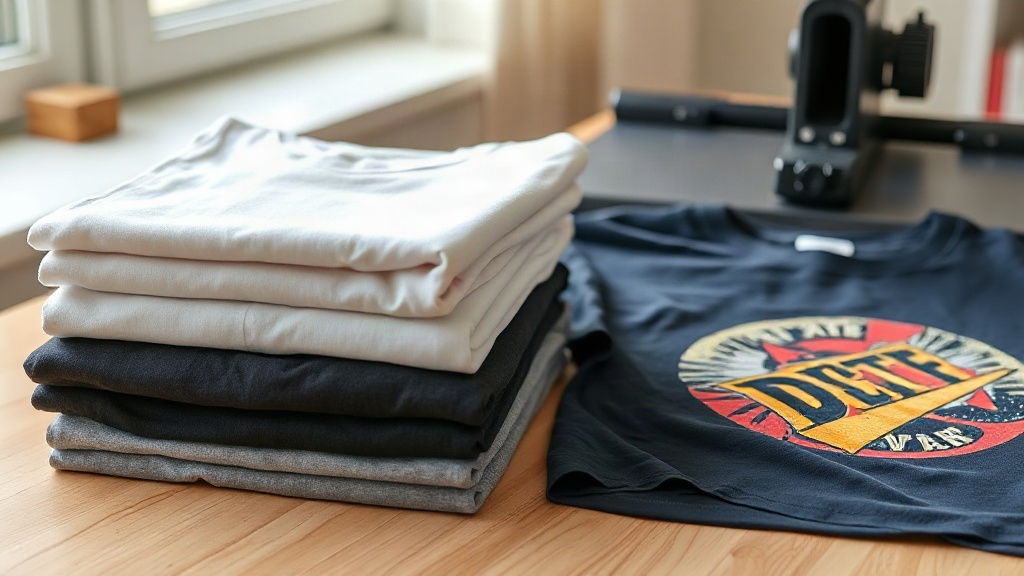
In the rapidly evolving world of custom apparel, two innovations are reshaping how creators and brands approach production: smart blanks and DTF transfers. These technologies are not just trends; they are fundamental shifts that empower anyone to create high-quality, durable, and vibrant custom garments with unprecedented ease. Whether you are a small business owner, a print-on-demand entrepreneur, or a hobbyist, understanding how to leverage these tools can set your work apart. In this guide, we will explore the synergy between smart blanks and DTF transfers, and how brands like Shaka Wear are leading the charge in providing premium blanks that cater to this new era of customization.
What Are Smart Blanks?
Smart blanks are not just ordinary t-shirts or hoodies; they are garments engineered with specific characteristics that optimize them for decoration techniques like DTF transfers. Unlike traditional blanks, smart blanks are designed with fabric blends, weaves, and finishes that enhance print adhesion, color vibrancy, and wash durability. They often feature tighter tolerances in sizing, consistent stitching, and pre-shrunk materials to ensure that the final decorated product meets professional standards. The concept of smart blanks emerged from the need for a reliable canvas that minimizes production variables, allowing decorators to focus on creativity rather than compensating for inconsistent garments.
When you choose smart blanks, you are investing in a foundation that supports high-resolution graphics, fine details, and long-lasting prints. These blanks are typically tested with various decoration methods, including DTF transfers, screen printing, and embroidery, to ensure compatibility. For example, a smart blank might have a specially formulated polyester-cotton blend that allows DTF transfers to bond seamlessly without the common issues of cracking or fading. This level of engineering is what distinguishes smart blanks from generic alternatives and makes them a preferred choice for professionals.
The Role of Fabric Composition
The fabric composition of smart blanks is critical. Most smart blanks are made from a blend of cotton and polyester, with some incorporating elastane for stretch. The ratio is carefully calibrated to balance comfort, durability, and printability. For DTF transfers, a higher polyester content can be beneficial because the transfer adheres better to synthetic fibers. However, 100% cotton blanks are also popular for their softness, though they may require slight adjustments in transfer application. Smart blanks often specify a recommended temperature and pressure for DTF transfers, taking the guesswork out of production.
Another key aspect is the weave and weight of the fabric. Smart blanks come in various weights, from lightweight 4.5 oz tees to heavy 8 oz hoodies. The weight affects how the garment drapes and how the DTF transfer sits on the surface. A heavier fabric might require more pressure to ensure the transfer penetrates the fibers, while a lighter fabric needs careful handling to avoid scorching. Smart blanks are often pre-shrunk to minimize shrinkage after washing, which is crucial for maintaining the alignment of the DTF transfer with the garment over time.
DTF Transfers: A Game-Changer for Customization
DTF transfers, or Direct-to-Film transfers, have revolutionized the custom apparel industry by offering a versatile, cost-effective, and high-quality decoration method. Unlike traditional screen printing, which requires separate screens for each color, DTF transfers can reproduce full-color images with gradients, photographs, and fine details in a single transfer. This makes them ideal for small batches, personalized items, and designs with complex artwork. The process involves printing a design onto a special film, applying a powder adhesive, and then heat-pressing it onto the garment. The result is a soft, stretchable, and durable print that can withstand repeated washing.
The magic of DTF transfers lies in their ability to bond with a wide range of fabrics, including cotton, polyester, blends, and even nylon. This versatility means you can apply the same transfer to different types of smart blanks without changing your process. Moreover, DTF transfers eliminate the need for color matching and screen setup, drastically reducing turnaround times and costs. For businesses, this means faster order fulfillment and the ability to offer more customization options to customers.
Why DTF Transfers Pair Perfectly with Smart Blanks
The combination of DTF transfers and smart blanks is a match made in heaven. Smart blanks provide a consistent, high-quality surface that maximizes the performance of DTF transfers. Because smart blanks are engineered for decoration, they often have a smooth, even surface that allows the transfer to adhere uniformly. This reduces the risk of peeling, cracking, or uneven color reproduction. Additionally, the pre-treatment of smart blanks, such as anti-shrink finishes, ensures that the garment and the transfer expand and contract at similar rates, preserving the integrity of the design.
From a production standpoint, using smart blanks with DTF transfers streamlines the workflow. You can standardize your heat press settings for a particular smart blank, knowing that each piece will yield consistent results. This reliability is essential for scaling up production without sacrificing quality. Brands that adopt this duo often report higher customer satisfaction due to the professional look and feel of the final product.
Shaka Wear: Elevating Smart Blanks to New Heights
When discussing smart blanks, Shaka Wear stands out as a brand that embodies quality and innovation. Shaka Wear is renowned for its premium blanks that cater to the streetwear and custom apparel markets. Their garments are known for their heavyweight fabrics, relaxed fits, and superior construction, making them a favorite among decorators who demand the best. Shaka Wear blanks are often considered smart blanks because they are designed to work flawlessly with DTF transfers and other decoration methods.
What sets Shaka Wear apart is their attention to detail. Their t-shirts, hoodies, and sweatshirts feature double-needle stitching, ribbed collars, and side-seamed construction, which not only enhance durability but also provide a flat surface for DTF transfers. The fabric is pre-shrunk and enzyme-washed for softness, ensuring that the garment feels great and maintains its shape after multiple washes. For decorators, this means that the DTF transfer remains vibrant and intact, wash after wash.
Popular Shaka Wear Blanks for DTF Transfers
Some of the most popular Shaka Wear blanks for DTF transfers include the Shaka Wear Heavyweight Cotton Tee, the Shaka Wear Fleece Hoodie, and the Shaka Wear Long Sleeve Tee. These garments are favored for their substantial feel and ability to hold intricate designs. The heavyweight cotton tee, for instance, provides a smooth canvas that accepts DTF transfers beautifully, resulting in a print that looks like it was part of the fabric from the start. The fleece hoodie, with its plush interior, offers a cozy backdrop for bold graphics, and the long sleeve tee is perfect for layering designs.
When using Shaka Wear blanks, it is essential to follow the recommended heat press settings for DTF transfers. Typically, a temperature of 325°F (160°C) with medium pressure for 15 seconds is a good starting point, but always test with a sample to find the optimal settings for your specific press and film. Shaka Wear blanks are also available in a wide range of colors, allowing for endless creative possibilities.
How to Choose the Right Smart Blanks for Your DTF Projects
Selecting the right smart blanks for your DTF transfers involves considering several factors, including fabric type, weight, color, and intended use. Here is a breakdown of key considerations:
- Fabric Type: Cotton, polyester, and blends each have different characteristics. Cotton is breathable and soft but may require a slightly higher temperature for DTF transfers. Polyester is durable and holds color well, but can be sensitive to high heat. Blends offer a balance and are often the best of both worlds.
- Fabric Weight: Lighter weights (4.5 oz) are great for summer tees and layered designs, while heavier weights (6 oz and above) provide a premium feel and are ideal for hoodies and statement pieces.
- Color: The color of the blank affects the vibrancy of the DTF transfer. White or light-colored blanks make colors pop, while dark blanks may require a white underbase in the transfer to ensure opacity.
- Fit and Style: Consider the cut and style that best suits your target audience. Shaka Wear offers various fits, from classic to oversized, ensuring there is a smart blank for every aesthetic.
- Budget: While smart blanks may cost slightly more than generic blanks, the reduced waste and higher quality output often justify the investment.
It is also wise to order samples of different smart blanks and test them with your DTF transfers before committing to a large order. This hands-on approach will reveal how each blank interacts with the transfer, helping you make an informed decision.
Step-by-Step Guide to Applying DTF Transfers on Smart Blanks
Applying DTF transfers to smart blanks is a straightforward process, but following the correct steps ensures optimal results. Here is a comprehensive guide:
- Prepare Your Workspace: Ensure your heat press is on a stable surface and preheated to the recommended temperature. For most DTF transfers on smart blanks, a temperature of 325°F (160°C) is ideal.
- Pre-Press the Garment: Place the smart blank on the heat press and press for 5-10 seconds to remove moisture and wrinkles. This step is crucial for a smooth application.
- Position the Transfer: Place the DTF transfer on the garment with the design facing up. Use heat-resistant tape if necessary to hold it in place.
- Press the Transfer: Apply medium to firm pressure for 15-20 seconds. The exact time may vary based on the film manufacturer's instructions and the fabric of the smart blank.
- Peel the Film: After pressing, allow the transfer to cool completely before peeling off the film. This is known as a cold peel, which is standard for DTF transfers. Peeling while hot can cause the design to lift or distort.
- Post-Press (Optional): For added durability, you can cover the design with a Teflon sheet or parchment paper and press again for 5-10 seconds. This helps the transfer settle into the fabric.
Remember that different smart blanks may require slight adjustments. For instance, Shaka Wear heavyweight fleece might need a few extra seconds to ensure the transfer adheres to the loftier fabric. Always refer to the blank manufacturer's guidelines and test with a sample.
Common Mistakes to Avoid with DTF Transfers on Smart Blanks
Even with high-quality smart blanks and DTF transfers, mistakes can happen. Being aware of common pitfalls can save you time and materials:
- Insufficient Pressure: If the pressure is too low, the transfer may not adhere properly, leading to peeling. Ensure your heat press is calibrated and apply consistent pressure.
- Wrong Temperature: Too high a temperature can scorch the fabric or cause the transfer to burn, while too low a temperature results in poor adhesion. Always follow the recommended settings.
- Hot Peel: Peeling the film while it is still hot can stretch the design or leave residue. Wait for it to cool completely.
- Ignoring Fabric Differences: Not all smart blanks are the same. A setting that works for a cotton tee may not work for a polyester hoodie. Adjust accordingly.
- Poor Storage of Transfers: DTF transfers should be stored in a cool, dry place away from direct sunlight to prevent the adhesive from degrading.
By avoiding these mistakes, you can achieve professional-looking results that rival screen printing.
Scaling Your Custom Apparel Business with Smart Blanks and DTF Transfers
For entrepreneurs looking to scale, the combination of smart blanks and DTF transfers offers a streamlined path to growth. The consistency of smart blanks means you can train staff quickly and maintain quality across large orders. The versatility of DTF transfers allows you to offer a wide range of designs without investing in multiple screens or setups. This agility is particularly valuable for print-on-demand and e-commerce businesses, where trends change rapidly.
Partnering with a reliable supplier like Shaka Wear ensures a steady supply of high-quality blanks. Shaka Wear is known for its commitment to quality and customer service, making it a trusted partner for many successful apparel brands. Additionally, investing in a good heat press and proper training for your team will pay off in reduced errors and faster production times.
Consider offering your customers a variety of smart blanks, from classic tees to trendy oversized hoodies, all decorated with vibrant DTF transfers. This variety, combined with fast turnaround, can set your business apart in a competitive market.
Frequently Asked Questions
What are smart blanks and why are they important for DTF transfers?
Smart blanks are garments specifically designed with fabric blends, pre-shrinking, and finishes that optimize them for decoration techniques like DTF transfers. They ensure consistent print adhesion, color vibrancy, and durability, reducing production variables and enhancing the final product's quality.
Can I use DTF transfers on any fabric, or do I need smart blanks?
While DTF transfers can adhere to many fabrics, including cotton, polyester, and blends, using smart blanks is recommended because they are engineered to work seamlessly with the transfer process. Smart blanks provide a smoother, more consistent surface, which leads to better results and longer-lasting prints.
How do I choose the right Shaka Wear blank for my DTF project?
Consider the fabric weight, color, and intended use. For a classic look, the Shaka Wear Heavyweight Cotton Tee is excellent. For a cozy, streetwear vibe, the Shaka Wear Fleece Hoodie is ideal. Always test a sample to ensure compatibility with your DTF transfers and heat press settings.
What heat press settings should I use for DTF transfers on smart blanks?
Typically, a temperature of 325°F (160°C), medium to firm pressure, and a dwell time of 15-20 seconds works well for most smart blanks. However, always follow the specific recommendations from your DTF transfer supplier and the blank manufacturer, as settings may vary.
How can I ensure the longevity of DTF transfers on smart blanks?
To maximize longevity, pre-press the garment, use the correct temperature and pressure, cold peel the film, and post-press if desired. Wash the garment inside out in cold water and avoid harsh detergents or high heat in the dryer. Following these steps will keep your DTF transfers looking vibrant for years.