
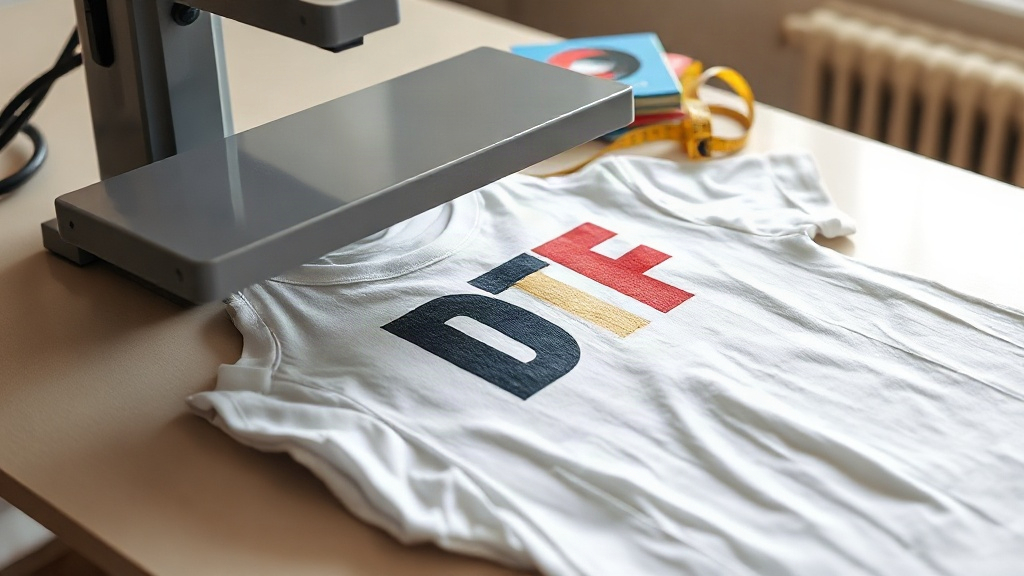
You've just pressed a vibrant DTF transfer onto a blank shirt, only to see it peel, crack, or look washed out. Frustrating, right? The culprit often isn't your technique—it's the blank itself. In the world of DTF printing, not all blanks are created equal. That's where smart blanks come in. These specially engineered garments are designed to work seamlessly with DTF transfers, giving you professional, durable results that impress customers and keep them coming back. In this article, we'll explore why smart blanks matter, how they differ from ordinary blanks, and how to choose the best ones for your projects. Whether you're a seasoned pro or just starting out, understanding smart blanks will elevate your DTF game.
What Are Smart Blanks?
Smart blanks are garments—typically t-shirts, hoodies, and tote bags—that have been optimized for direct-to-film (DTF) printing. Unlike standard blanks, they feature specific characteristics that enhance adhesion, color vibrancy, and wash durability. These blanks often have a tight weave, minimal sizing, and a smooth surface that allows the transfer to bond evenly. Some smart blanks also come with a special coating that reacts well to the heat and pressure of a heat press. The term 'smart' isn't just marketing fluff; it reflects a deliberate design choice to make DTF printing easier and more reliable.
The Science Behind Smart Blanks
DTF transfers consist of a PET film coated with a release layer, a printed design using special inks, and a thermoplastic adhesive powder. When heat-pressed, the adhesive melts and penetrates the fabric fibers. If the fabric is too loose, the adhesive may not anchor properly, leading to peeling. If the fabric has a rough texture, the transfer might not make full contact, causing uneven curing. Smart blanks address these issues by offering a consistent, smooth surface and optimal fiber density. Additionally, some smart blanks are treated with a pre-shrunk finish to minimize movement during washing, which can otherwise cause cracks in the print.
Why Smart Blanks Make a Difference in DTF Printing
Using the right blank can mean the difference between a print that lasts 50 washes and one that fails after five. Smart blanks are engineered to maximize the performance of DTF transfers, but they also offer benefits that go beyond durability. Here are key advantages:
- Superior adhesion: The tight weave and smooth surface allow the adhesive to bond uniformly, reducing the risk of peeling or lifting.
- Vibrant colors: Smart blanks often have a brighter base (like optical white) that makes colors pop, especially on dark garments.
- Minimal shrinkage: Pre-shrunk fabrics maintain their shape, preventing distortion of the printed design.
- Soft hand feel: Despite the added adhesive, smart blanks keep the print flexible and comfortable to wear.
- Consistency: Batch-to-batch uniformity means you can replicate results across large orders.
When you combine smart blanks with high-quality DTF transfers from a reputable supplier like DTFMAXI, you set yourself up for success. The synergy between the two ensures that every print looks crisp and professional.
How to Identify Smart Blanks
Not all blanks labeled as 'smart' live up to the hype. To ensure you're getting the real deal, look for these indicators:
1. Fabric Composition and Weight
Smart blanks are typically made from 100% cotton or a cotton-poly blend with a high cotton content. The fabric weight should be at least 5.3 oz (180 gsm) for t-shirts; heavier weights like 6.0 oz offer even better durability. Lighter fabrics may not withstand the heat of the press and can scorch easily.
2. Weave and Texture
Run your hand over the fabric. It should feel smooth and tightly woven. If you can see light through the fabric when held up, it's too loose. Smart blanks have a dense weave that prevents the adhesive from sinking too deep, which can cause a stiff feel.
3. Pre-Treatment and Coatings
Some smart blanks come with a proprietary coating that enhances DTF adhesion. This is especially common in dark garments, where a white underbase is needed. However, not all coatings are compatible with DTF; always check the manufacturer's recommendations.
4. Brand Reputation
Certain brands are known for producing reliable smart blanks. For example, Shaka Wear has gained a following among DTF printers for their consistent quality and smooth surface. Their blanks are often used in professional settings because they handle the heat press without scorching or shrinking excessively.
Choosing the Right Smart Blanks for Your Project
Different projects call for different blanks. Here's a quick guide to help you match the blank to the job:
- Retail-quality apparel: Opt for ring-spun cotton smart blanks with a soft hand. These are ideal for fashion-forward designs and premium feel.
- Sportswear and activewear: Choose polyester-rich blends that wick moisture and stretch without cracking the print. Look for smart blanks with elastane for flexibility.
- Promotional items: Cost-effective smart blanks in standard weights work well for giveaways and events. They offer good printability without breaking the bank.
- Dark garments: Ensure the blank is designed for DTF with a white underbase or has a coating that supports vibrant colors on dark backgrounds.
Always test a sample before committing to a large order. Press a small design onto a blank and wash it a few times to evaluate performance.
Common Mistakes to Avoid with Smart Blanks and DTF Transfers
Even with the best materials, mistakes can happen. Here are pitfalls to watch out for:
- Incorrect press settings: Each blank and transfer combination may require specific temperature, pressure, and time. Always follow the transfer supplier's guidelines and adjust for the blank's thickness.
- Skipping pre-pressing: Pre-pressing the garment removes moisture and wrinkles, ensuring a smooth surface for the transfer. Don't skip this step!
- Using too much pressure: Excessive pressure can cause the adhesive to spread too thin or the design to distort. Medium pressure is usually sufficient.
- Cooling before peeling: DTF transfers should be peeled after they cool down (cold peel) or while warm (hot peel) depending on the film type. Using the wrong method can ruin the print.
- Ignoring wash care: Even the best smart blanks and DTF transfers need proper care. Instruct end-users to wash inside out in cold water and avoid ironing directly on the print.
Maximizing Results: Pairing Smart Blanks with Quality DTF Transfers
The blank is only half the equation. To achieve outstanding results, you need high-quality DTF transfers that are compatible with your smart blanks. At DTFMAXI, we specialize in producing DTF transfers that work flawlessly with smart blanks. Our transfers feature vibrant inks, precise cutting, and a reliable adhesive that bonds securely to a variety of fabrics. When you use our transfers on recommended smart blanks, you'll notice the difference: sharper details, brighter colors, and a longer lifespan. Plus, our team is always available to offer guidance on the best blanks for your specific needs.
Frequently Asked Questions
Can I use smart blanks with any DTF transfer?
While most DTF transfers will adhere to smart blanks, optimal results come from pairing them with transfers designed for the blank's fabric type. For instance, transfers with a high adhesive content work best on cotton, while those with a flexible adhesive suit polyester blends. Always test a sample first.
How do I know if a blank is truly 'smart'?
Look for specific claims from the manufacturer about DTF compatibility. Reputable brands like Shaka Wear often label their blanks as suitable for DTF printing. Additionally, check for a smooth, tight weave and pre-shrunk properties. If in doubt, request a sample and test it.
What's the best way to store smart blanks before printing?
Store smart blanks in a cool, dry place away from direct sunlight. Keep them in their original packaging or cover them to prevent dust and lint from settling on the surface. Before printing, give them a quick press to remove any wrinkles or moisture.
Do smart blanks require special washing instructions?
Yes, to prolong the life of the print, wash smart blanks inside out in cold water with mild detergent. Avoid bleach and fabric softeners. Tumble dry on low or hang dry. Iron on the reverse side only, never directly on the transfer.
Are smart blanks more expensive than regular blanks?
Smart blanks may cost slightly more due to their enhanced features, but the investment pays off in reduced waste and happier customers. When you factor in the cost of reprints and returns, smart blanks are often more economical in the long run.
Final Thoughts
Smart blanks are a game-changer for DTF printing. They provide the ideal canvas for your transfers, ensuring that every print looks professional and stands the test of time. By choosing the right smart blanks and pairing them with premium DTF transfers, you can elevate your craft and build a reputation for quality. Remember to test, adjust your press settings, and follow care instructions. With the right approach, you'll achieve flawless results that keep customers coming back for more.