
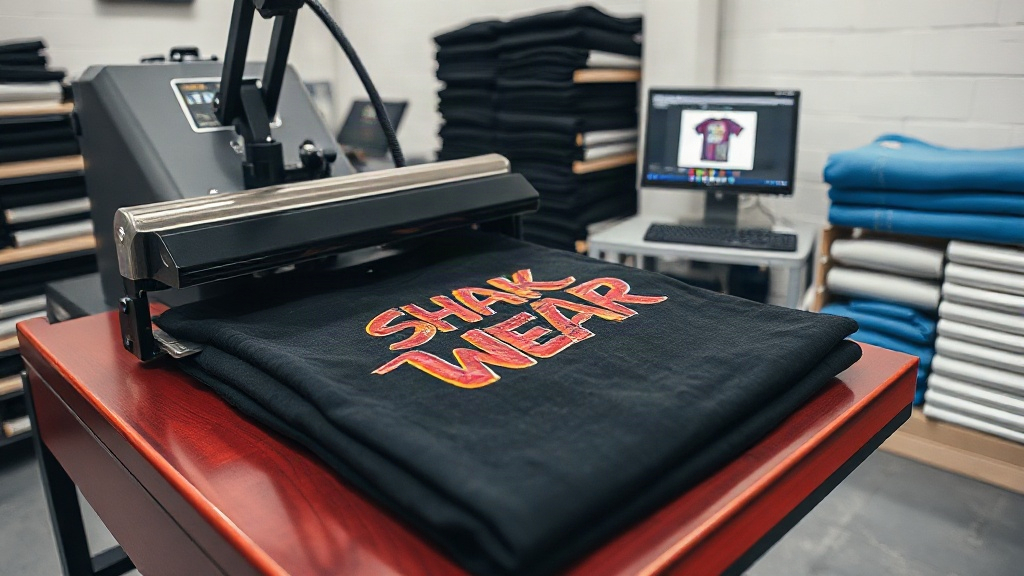
When you're creating custom apparel, the combination of DTF transfers with quality blanks like Shaka Wear and Smart Blanks can elevate your designs from ordinary to extraordinary. Unlike traditional screen printing or vinyl, DTF (Direct to Film) transfers offer a versatile, cost-effective solution for producing vibrant, detailed prints on a variety of fabrics. In this guide, we'll explore why these transfers have become a go-to for small businesses and hobbyists alike, and how to get the best results when pairing them with popular blank brands.
What Are DTF Transfers and Why They Matter
DTF transfers are printed onto a special film using water-based pigments, then coated with a hot-melt adhesive powder. When heat-pressed onto fabric, the adhesive melts, bonding the ink to the material. This process allows for intricate details, gradients, and photographic images that would be difficult or impossible with other methods. The transfers work on cotton, polyester, blends, and even some synthetics, making them incredibly versatile.
One of the biggest advantages of DTF transfers is their durability. When applied correctly, they withstand repeated washing without cracking or fading. They also stretch with the fabric, which is essential for performance wear and activewear. For those who offer custom apparel, DTF transfers provide a way to deliver high-quality prints without the setup costs of screen printing.
Why Shaka Wear and Smart Blanks Are Ideal for DTF
Not all blanks are created equal, and the fabric you choose can significantly impact the final result. Shaka Wear is renowned for its heavyweight cotton tees, known for a boxy fit and exceptional durability. The tight knit and smooth surface of Shaka Wear garments provide an excellent canvas for DTF transfers, allowing the adhesive to bond evenly and the ink to sit smoothly on top. Similarly, Smart Blanks offers a range of budget-friendly yet high-quality options, including ringspun cotton and blends that are soft to the touch and take transfers well.
Both brands are popular among streetwear brands and custom printers because they hold up well over time. When you combine them with DTF transfers, you get a professional-looking product that feels premium and lasts. However, to achieve the best results, it's important to understand the nuances of each fabric type.
Step-by-Step Application Process
Applying DTF transfers to Shaka Wear or Smart Blanks garments requires attention to detail. Here's a comprehensive guide:
- Preheat the garment: Set your heat press to the recommended temperature (usually 300-325°F or 150-160°C). Preheat the garment for 5-10 seconds to remove moisture and wrinkles. This step is crucial for proper adhesion.
- Position the transfer: Place the DTF transfer on the garment with the printed side up. Use heat-resistant tape if necessary to keep it in place.
- Press: Apply medium to heavy pressure for 15-20 seconds. The exact time may vary based on the transfer supplier and fabric. For Shaka Wear heavyweight cotton, you might need slightly more pressure to ensure the adhesive penetrates the fibers.
- Peel: After pressing, allow the transfer to cool completely before peeling off the film. This is known as a cold peel. Some transfers are hot peel, so always check the instructions. Cold peel generally yields a smoother finish.
- Post-press (optional): For added durability, you can cover the design with a Teflon sheet or parchment paper and press again for 5-10 seconds. This helps the adhesive fully cure.
Choosing the Right Fabric: Shaka Wear vs. Smart Blanks
Both Shaka Wear and Smart Blanks offer excellent options, but they cater to slightly different needs. Shaka Wear is known for its heavyweight 100% cotton tees, which are ideal for streetwear and retail-quality apparel. The fabric's density means it can handle bold, heavy ink coverage without sagging. On the other hand, Smart Blanks provides a variety of blends, including cotton/polyester mixes that are softer and more affordable. These are great for promotional items or budget-conscious projects.
When using DTF transfers on polyester blends, be mindful of the lower melting point. Use a lower temperature (around 280-300°F) and shorter press time to avoid scorching. For 100% cotton, you can use higher temperatures. Always test on a scrap piece first to dial in your settings.
Design Tips for Stunning DTF Prints
DTF transfers allow for incredible detail, but not all designs are created equal. Here are some tips to maximize impact:
- Use high-resolution images: DTF printing reproduces fine details, so start with at least 300 DPI. Vector art is ideal for logos and text.
- Consider the background: Since DTF transfers have a white ink layer, they work on both light and dark garments. However, on dark colors, the white base ensures vibrant colors, so design with that in mind.
- Avoid very thin lines: Although DTF can handle fine details, extremely thin lines may not adhere well after washing. A minimum line width of 1-2 points is recommended.
- Test gradients and shadows: DTF excels at smooth gradients, so don't be afraid to use them. They add depth and realism.
Troubleshooting Common Issues
Even with the best equipment, issues can arise. Here are solutions to common problems:
- Transfer not sticking: Increase pressure or temperature. Ensure the garment is preheated and free of fabric softener.
- Cracking after washing: This often indicates insufficient pressure or time. Try a longer press or higher pressure. Also, wait 24 hours before washing.
- Color fading: Use a post-press step and wash inside out in cold water. Avoid bleach and fabric softeners.
- Adhesive residue on film: If the film peels off with adhesive still attached, the transfer wasn't cooled enough. Allow it to cool completely before peeling.
Washing and Care Instructions
To ensure your DTF transfers last, follow these care guidelines:
- Wait at least 24 hours after pressing before washing.
- Turn the garment inside out.
- Machine wash cold with mild detergent.
- Avoid fabric softeners and bleach.
- Tumble dry low or hang dry.
- Do not iron directly on the transfer.
Frequently Asked Questions
Can I use DTF transfers on Shaka Wear's heavyweight cotton tees?
Absolutely. Shaka Wear's heavyweight cotton is an excellent choice for DTF transfers. The tight weave allows for great adhesion, and the fabric's durability ensures the print lasts. Just be sure to use sufficient pressure and a slightly longer press time to penetrate the thicker fabric.
What temperature should I set my heat press for Smart Blanks polyester blends?
For Smart Blanks polyester blends, set your heat press to around 280-300°F (138-149°C). Polyester is heat-sensitive, so lower temperatures prevent scorching. Always test with a scrap piece to find the optimal setting for your specific blend.
Do DTF transfers work on both light and dark fabrics?
Yes, DTF transfers include a white ink base that makes them opaque, so they show up vibrantly on both light and dark fabrics. This is a major advantage over other transfer types that may require different papers for different colors.
How long do DTF transfers last on Shaka Wear garments?
With proper application and care, DTF transfers on Shaka Wear can last as long as the garment itself. The key is following the correct heat press settings and washing instructions. Many users report years of wear without significant fading or cracking.
Can I stretch DTF transfers on athletic wear?
Yes, DTF transfers are flexible and can stretch with the fabric, making them suitable for athletic wear and performance fabrics. However, ensure the garment is compatible and use a stretchable transfer if available. Always test stretchability before full production.