
DTF transfers have revolutionized the custom apparel industry, offering a versatile and cost-effective way to create vibrant designs on a wide range of fabrics. Whether you're a small business owner, a hobbyist, or a large-scale printer, understanding the ins and outs of DTF printing can help you produce high-quality products that stand out.
In this comprehensive guide, we'll explore what DTF transfers are, how they compare to other methods like screen printing and heat transfer vinyl, and share practical tips for getting the best results. By the end, you'll have the knowledge to make informed decisions and elevate your printing game.
What Are DTF Transfers?
DTF stands for Direct to Film. In this process, a design is printed onto a special PET film using a DTF printer and pigment-based inks. After printing, a layer of adhesive powder is applied to the wet ink, and the film is then cured to bond the powder to the ink. The result is a transfer sheet that can be heat-pressed onto a garment, leaving the design permanently adhered to the fabric.
Unlike direct-to-garment (DTG) printing, which prints directly onto the shirt, DTF transfers are created on a film first and then transferred. This allows for greater flexibility, as you can print multiple designs on a single sheet and apply them later, making it ideal for on-demand printing and small batches.
How DTF Transfers Work: A Step-by-Step Guide
Understanding the process is essential for troubleshooting and optimizing your production. Here’s a breakdown of the key steps involved in creating a DTF transfer:
- Design and Print: Create your artwork using graphics software. Ensure it is in the proper color mode (usually CMYK) and at a suitable resolution (at least 300 DPI). Print the design onto a DTF film using a DTF printer with white ink underbase for vibrant colors on dark fabrics.
- Apply Adhesive Powder: While the ink is still wet, cover the printed area with DTF adhesive powder. This powder is specially formulated to bond with the ink and fabric when heat-pressed.
- Cure the Powder: Heat the film with the powder to melt and cure the adhesive. This is typically done in a powder curing oven or with a heat gun. The curing process ensures the powder adheres to the ink and doesn't fall off during handling.
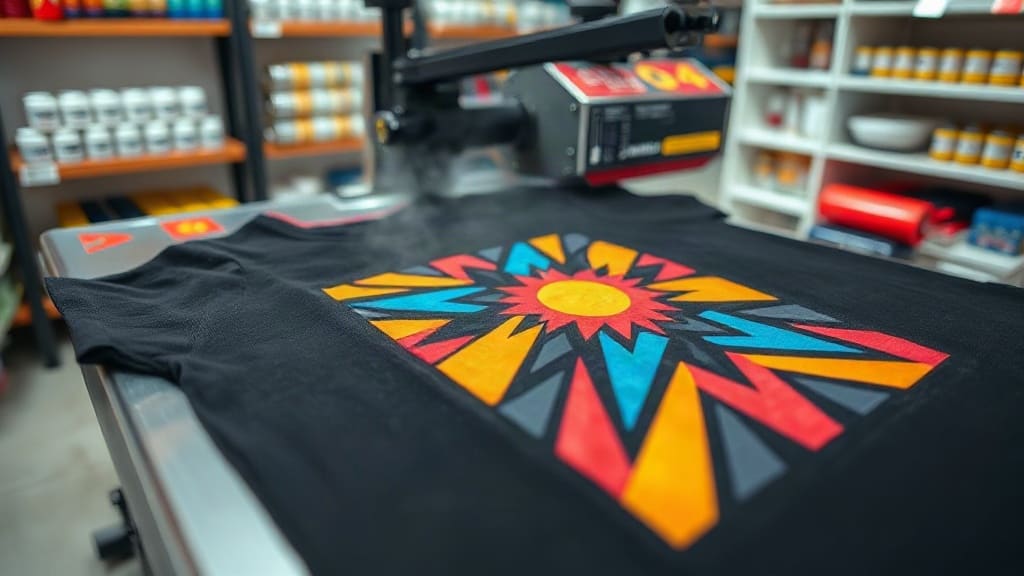
- Heat Press Transfer: Place the film onto your garment with the powder side facing down. Apply heat and pressure using a heat press, usually around 320°F (160°C) for 15-20 seconds. The heat melts the adhesive and transfers the ink onto the fabric.
- Peel: After pressing, peel the film away either hot or cold, depending on the specific product instructions. A hot peel often leaves a glossy finish, while a cold peel yields a matte look.
Each step requires precision, but with practice, you can achieve professional results consistently.
Advantages of DTF Transfers Over Other Methods
Why choose DTF transfers? Here are some key benefits that have made this technology popular:
- Versatility: DTF transfers work on a wide range of fabrics, including cotton, polyester, blends, and even leather. This makes them suitable for various products like t-shirts, hoodies, tote bags, and more.
- Vibrant Colors: The white ink underbase ensures that colors pop on dark garments, which is often challenging with other methods.
- Durability: When applied correctly, DTF transfers are highly durable, resisting cracking, peeling, and washing. They can withstand numerous washes without fading.
- Cost-Effective for Small Runs: Unlike screen printing, which requires expensive setup for each color, DTF transfers have no setup costs, making them ideal for low-quantity orders.
- Soft Feel: The transfers are thin and flexible, resulting in a soft hand feel that doesn't compromise comfort.
While methods like screen printing excel in large quantities, DTF transfers offer unmatched flexibility and ease for personalized and small-batch items.
Choosing the Right Equipment for DTF Printing
To start with DTF transfers, you'll need specific equipment. Here’s what to consider:
DTF Printer
A dedicated DTF printer is essential, as it handles white ink and the required printing process. There are many models available, from entry-level to industrial. Look for one with a CMYK + White ink system and a reliable printhead. Epson and Ricoh are common base models, but brands like DTFMAXI offer customized solutions.
Heat Press
You can use a standard heat press, but ensure it can reach the recommended temperature and pressure. A clamshell or swing-away press with adjustable pressure is ideal. For consistent results, invest in a quality press with even heat distribution.
Powder Curing Oven
While not strictly necessary, a curing oven speeds up the process and ensures even melting of the adhesive powder. If you're just starting, a heat gun can work, but it's less efficient for larger batches.
DTF Films and Powders
High-quality films and powders are crucial. Look for films with good ink adhesion and powders that create a strong bond. Always follow the manufacturer's recommendations for compatibility.
Tips for Getting the Best DTF Transfers
Producing flawless DTF transfers requires attention to detail. Here are some expert tips:
- Calibrate Your Printer: Regularly clean and align your printheads to ensure crisp, accurate colors. Use a calibration tool to maintain color consistency.
- Shake White Ink: White ink pigments tend to settle. Always shake the ink cartridges well before use to prevent clogging and ensure opacity.
- Use the Right Film Side: Ensure you're printing on the correct side of the film. The matte side is typically the correct one for printing.
- Adjust Powder Amount: Too much powder can cause a thick, rubbery feel, while too little may result in poor adhesion. Find the right balance through testing.
- Test Press Times: Different fabrics require different press times and temperatures. Always do a test press on a scrap piece to avoid waste.
- Peel Method: Follow the film manufacturer's instructions on whether to peel hot or cold. Incorrect peeling can cause design damage.
By mastering these variables, you'll achieve consistent, high-quality results every time.
Common Problems and How to Fix Them
Even seasoned printers encounter issues. Here are some common DTF transfer problems and their solutions:
Blurry or Smudged Prints
This often results from printing on the wrong side of the film or using incorrect ink settings. Check your printer settings and ensure the film is loaded correctly.
Poor Adhesion
If the design doesn't stick properly, it could be due to insufficient powder, low press temperature, or not enough pressure. Increase the press time and temperature slightly, and ensure the powder is evenly applied.
Cracking After Washing
This is usually caused by under-curing the powder or not pressing long enough. Make sure the adhesive is fully melted during the curing step and that you're using the recommended heat press settings.
White Ink Issues
White ink is prone to clogging. Use a high-quality white ink, and perform regular cleaning cycles. Also, ensure the ink is well-shaken before use.
Frequently Asked Questions
How long do DTF transfers last?
When applied correctly and cared for properly, DTF transfers can last for many washes, often over 50, without significant fading or cracking. The durability depends on the quality of the materials and the application process.
Can DTF transfers be used on any fabric?
DTF transfers work on a wide range of fabrics, including cotton, polyester, blends, and some synthetics. However, they work best on materials with a smooth surface. Avoid using them on fabrics that are heavily textured or waterproof.
What is the difference between DTF and DTG?
DTG (Direct-to-Garment) prints directly onto the shirt using a specialized printer. DTF prints onto a film first and then transfers. DTF offers more flexibility since you can print ahead of time and apply later, and it often works better on dark fabrics due to the white underbase.
Is DTF printing expensive?
The initial investment in DTF equipment can be significant, but per-print costs are relatively low, especially for small batches. There are no setup fees like screen printing, making it a cost-effective option for on-demand and small orders.
Do I need a special heat press for DTF transfers?
You can use a standard heat press, but it must be able to reach the required temperature (around 320°F) and provide sufficient pressure. A press with a digital temperature control and adjustable pressure is recommended.
In conclusion, DTF transfers offer a flexible, durable, and vibrant solution for custom apparel. Whether you're just starting or looking to expand your services, mastering this technology can open up new opportunities. With the right equipment, materials, and technique, you can produce stunning, long-lasting products that your customers will love.