
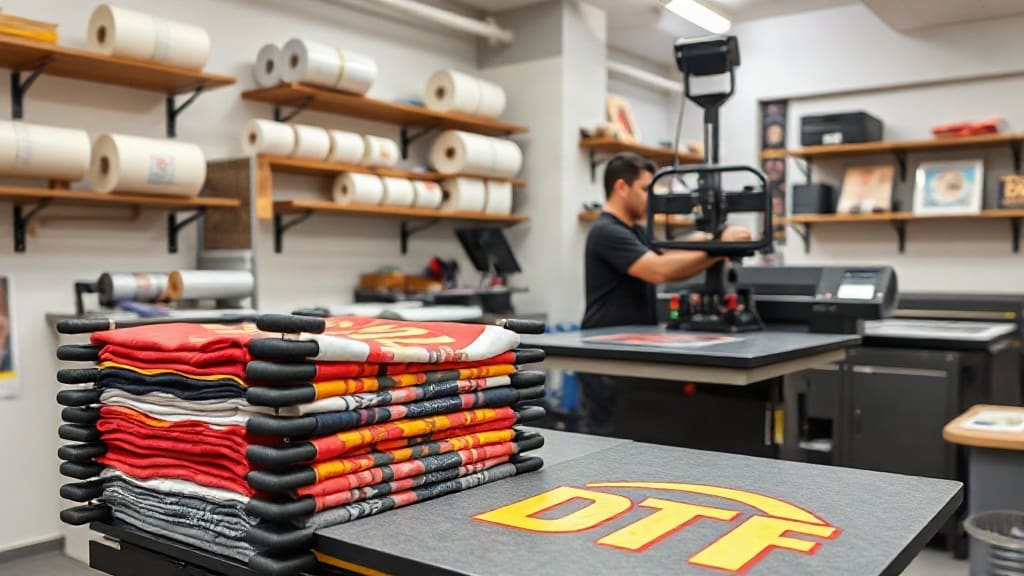
When you're starting a custom apparel business or need a quick batch of personalized shirts, searching for DTF transfers near me is often the first step. But finding a local provider isn't just about proximity; it's about quality, reliability, and getting the best value for your money. In this guide, I'll walk you through everything you need to know to locate a trustworthy DTF printer, what questions to ask, and how to avoid common pitfalls.
Why Choose DTF Transfers?
Direct-to-film (DTF) printing has become a favorite for many due to its versatility. Unlike screen printing, DTF allows for detailed, full-color designs on various fabrics, including cotton, polyester, and blends. It's also cost-effective for small batches, making it ideal for startups and hobbyists. When you search for DTF transfers near me, you're likely looking for a partner who can turn your digital designs into durable, vibrant transfers ready to press onto garments.
The Benefits of Local DTF Providers
Working with a local printer offers several advantages. You can inspect samples before placing a large order, communicate directly to tweak colors, and avoid shipping delays. Plus, if something goes wrong, you can easily return to the shop. That's why many entrepreneurs prefer to find DTF transfers near me rather than ordering from distant online-only companies.
How to Find Reliable DTF Transfer Services in Your Area
Start by using search engines with specific phrases like DTF transfers near me or add your city name. But don't stop there. Check social media platforms like Instagram and Facebook; many local printers showcase their work there. Also, ask for recommendations in local business groups or from other apparel makers. Word of mouth is powerful. When you compile a list of candidates, visit their websites to see their portfolios and read reviews.
Key Factors to Evaluate When Choosing a DTF Printer
Not all DTF providers are equal. Consider the following:
- Quality of Output: Request samples. Examine the sharpness, color vibrancy, and how the transfer adheres after washing. A reputable printer will gladly provide samples.
- Material and Ink Quality: Ask about the films and inks they use. Higher-grade materials result in better stretchability and durability.
- Turnaround Time: If you have deadlines, ensure they can meet them. Ask about rush services.
- Pricing Transparency: Look for clear pricing per square foot or per transfer. Hidden fees can be a red flag.
- Customer Support: How responsive are they? Good communication is key, especially for custom designs.
What to Expect in Terms of Cost
Pricing for DTF transfers near me varies based on design complexity, size, and quantity. Typically, you'll pay more for smaller orders due to setup costs. On average, a standard 10x10 inch transfer might cost between $2 and $5 in small quantities, but many printers offer volume discounts. Don't just compare prices; factor in the value of quality. A cheap transfer that cracks or fades after a few washes is a poor investment.
How to Compare Prices Effectively
Create a spreadsheet listing each provider with their price per unit for different sizes and quantities. Also note any additional charges like shipping (if applicable) or artwork setup. Once you have this data, you can make an informed decision. Remember, the cheapest option isn't always the best. Balance cost with quality and service.
Questions You Should Ask Before Ordering
To ensure you choose the right local DTF printer, ask them these specific questions:
- Can I see a sample of your work on a similar fabric?
- What is your standard turnaround time?
- Do you offer color matching for my brand?
- What are your minimum order quantities?
- Do you provide design assistance or only print ready files?
- What is your policy for defective transfers?
Their answers will give you insight into their professionalism and whether they are a good fit for your project.
Common Mistakes to Avoid When Ordering DTF Transfers
Many people make errors that lead to disappointment. One major mistake is not providing a high-resolution file. The ideal resolution is 300 DPI at the actual print size. Also, ensure your design has a white base if it contains colors; DTF prints require a white layer for vibrancy. Another pitfall is not testing the press time and temperature correctly when applying the transfer. Even the best DTF transfer will fail if not pressed properly. Ask your printer for recommended settings.
How to Ensure Long-Lasting Prints
Once you receive your transfers, proper application is crucial. Use a heat press set to the right temperature (usually around 300°F) and apply firm pressure for the specified duration. After peeling, it's wise to do a wash test to confirm durability. If you're pressing for customers, always follow the manufacturer's guidelines.
Success Story: How a Local Business Benefited
I remember when a local boutique owner, Sarah, was struggling with inconsistent quality from an online DTF service. She decided to search for DTF transfers near me and found a small print shop a few miles away. After seeing their samples, she was impressed. They helped her adjust her designs for better color saturation. Her customers noticed the improved quality, and her repeat orders increased by 30% in a few months. That's the power of choosing the right local partner.
Conclusion
Finding the best DTF transfers near me doesn't have to be a gamble. By following the steps outlined above, you can locate a local provider that meets your needs, delivers high-quality prints, and supports your business growth. Take the time to research, ask questions, and test samples. Your custom apparel will thank you.
Frequently Asked Questions
What exactly are DTF transfers?
DTF (direct-to-film) transfers are a method of printing where a design is printed onto a special film and then transferred onto fabric using a heat press. Unlike screen printing, it allows for detailed, multi-colored designs without the need for screens, making it ideal for small batches and individual pieces.
How long do DTF transfers last?
With proper application and care, DTF transfers can last as long as the garment itself. They are designed to withstand repeated washing and stretching. The key is using quality materials and following the correct pressing guidelines.
Can I use DTF transfers on any fabric?
DTF transfers are versatile and work well on cotton, polyester, nylon, and blends. They also adhere to various surfaces like caps, tote bags, and even leather. However, for best results, always test on a small area first, especially for unusual materials.
How much do DTF transfers cost?
The cost varies based on size, complexity, and quantity. A typical 10x10 inch transfer might cost $2-$5 in small quantities, but many printers offer discounts for bulk orders. Always request a quote with all details to avoid surprises.
What's the difference between DTF and screen printing?
Screen printing involves creating screens for each color, which is cost-effective for large quantities. DTF printing is a digital process that doesn't require screens, making it more economical for small orders and full-color designs. DTF also offers a softer feel and better stretchability.