
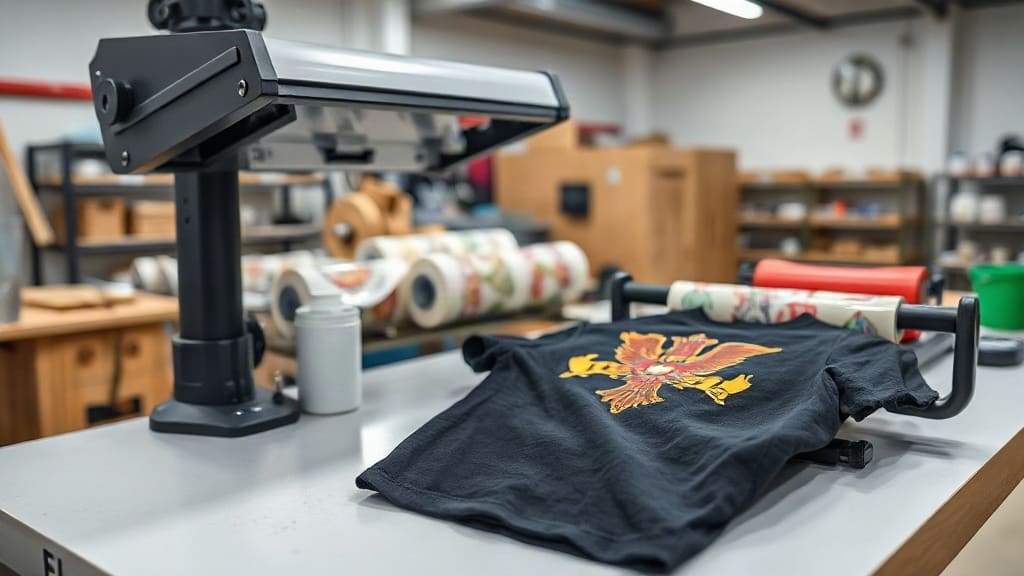
DTF transfers have revolutionized the custom printing industry, offering a flexible and high-quality method for decorating garments. Whether you're a small business owner, a hobbyist, or just curious about modern printing techniques, this guide will walk you through everything you need to know. From the basics to advanced tips, we'll cover why DTF transfers are becoming the go-to choice for many printers.
What Are DTF Transfers?
DTF stands for Direct to Film. It's a printing method where a design is printed onto a special film, coated with adhesive powder, and then heat-pressed onto fabric. Unlike traditional screen printing or heat transfer vinyl, DTF transfers allow for vibrant, detailed, and durable prints on a variety of materials, including cotton, polyester, and blends.
The process is relatively simple: you print your design with a specialized printer using CMYK plus white ink, apply a hot-melt adhesive powder to the wet ink, cure it, and then you have a transfer that can be stored and applied later. This makes DTF transfers incredibly convenient for on-demand printing.
How Do DTF Transfers Work?
To understand DTF transfers, it's helpful to know the step-by-step process:
- Design Creation: You create or upload your design to a computer. The design is then printed onto a PET film using a DTF printer.
- Printing: The printer lays down the CMYK colors, followed by a white layer underneath. The white layer is crucial for ensuring the design pops on dark fabrics.
- Adhesive Application: While the ink is still wet, a thermoplastic adhesive powder is applied to the film. This powder will later melt and bond the design to the fabric.
- Curing: The film is passed through a dryer or heat source to cure the adhesive powder, making it stable for storage.
- Transfer: When you're ready to apply, you place the film on your garment and apply heat and pressure with a heat press. The adhesive melts, and the design transfers onto the fabric.
- Peeling: After pressing, you peel off the film, leaving the design behind. The result is a soft, vibrant, and durable print.
Benefits of DTF Transfers
Why are DTF transfers so popular? Here are some key advantages:
- Versatility: DTF works on almost any fabric, including cotton, polyester, nylon, and blends. You can also print on items like bags, hats, and even leather.
- Vibrant Colors: The combination of CMYK and white ink produces sharp, opaque prints that stand out even on dark materials.
- Durability: DTF prints are known for their excellent washability. They can withstand repeated washing without cracking or fading, making them ideal for workwear and sportswear.
- Cost-Effective for Small Runs: Unlike screen printing, there are no setup costs, so you can print single items or small batches economically.
- Easy to Store: Prepared transfers can be stored for months and applied later, which is perfect for inventory management.
- No Weeding: Unlike heat transfer vinyl, DTF transfers require no time-consuming weeding of intricate designs.
DTF Transfers vs. Other Methods
To truly appreciate DTF transfers, it's helpful to compare them with other popular methods:
DTF vs. Screen Printing
Screen printing is excellent for large quantities and offers high durability, but it requires significant setup and is impractical for small orders. DTF transfers offer more flexibility and are ideal for short runs, but they may not be as cost-effective for thousands of units.
DTF vs. Heat Transfer Vinyl (HTV)
HTV is great for simple designs and solid colors, but it can be challenging with multi-colored or detailed graphics. DTF transfers handle full-color images with ease and require no weeding, saving time and effort.
DTF vs. Sublimation
Sublimation produces stunning, permanent prints on polyester, but it doesn't work on dark or cotton fabrics. DTF transfers work on a wider range of materials, making them more versatile.
Applications of DTF Transfers
DTF transfers are used in various industries and settings:
- Custom Apparel: T-shirts, hoodies, and sweatshirts for personal or business use.
- Sportswear: Team jerseys and athletic wear benefit from the durability of DTF.
- Workwear: Company logos on uniforms that need to withstand rigorous washing.
- Promotional Products: Tote bags, aprons, and other giveaways.
- Online Stores: Print-on-demand services use DTF transfers for their versatility and quick turnaround.
If you're looking to start your own apparel brand or expand your printing services, DTF transfers offer a low-barrier entry with impressive results.
Tips for Getting the Best Results
To ensure your DTF transfers look professional and last long, consider these practical tips:
- Use High-Quality Film: The type of PET film you use affects the print clarity and adhesion. Invest in premium film for better results.
- Optimize Ink Settings: Calibrate your printer to achieve the correct ink density. Too much ink can cause bleeding, and too little can result in faded prints.
- Proper Adhesive Powder: Use the right powder and apply it evenly. Too little and the design won't stick; too much can make the print stiff.
- Curing is Key: Ensure the adhesive powder is fully cured before storing. Incomplete curing can lead to poor transfer.
- Press with the Right Pressure: When applying the transfer, use even pressure and the recommended temperature (typically around 320°F / 160°C) for 10-15 seconds.
- Test on Scrap Fabric: Before pressing a final garment, test on a piece of similar fabric to fine-tune your settings.
- Store Transfers Properly: Keep unused transfers in a cool, dry place away from direct sunlight to maintain their quality.
Common Mistakes to Avoid
Even experienced printers can make mistakes. Here are some pitfalls to watch out for:
- Skipping the White Ink: Always print a white base for designs that will be on dark clothing. Skipping it can result in a washed-out look.
- Overloading Adhesive: Applying too much powder can make the transfer thick and fuzzy. Use a light, even coat.
- Incorrect Heat Press Settings: Too low a temperature or pressure will cause the transfer to fail. Follow the manufacturer's guidelines.
- Peeling Too Early: Always wait for the transfer to cool slightly before peeling the film. Peeling hot can cause the adhesive to stretch or warp.
Choosing the Right Equipment
To produce DTF transfers, you'll need specific equipment:
- DTF Printer: Look for a printer that supports DTF inks and has a built-in white ink circulation system to prevent clogging.
- Heat Press: A reliable heat press with precise temperature control is essential.
- Shaker or Powder Application System: This can be manual or automatic, depending on your volume.
- Dryer or Curing Oven: To cure the adhesive powder effectively.
If you're just starting, you can find all-in-one DTF kits that include the printer, powder, film, and even a heat press. For a comprehensive selection, check out DTF Maxi for high-quality supplies and equipment.
Frequently Asked Questions
Can DTF transfers be used on any fabric?
Yes, DTF transfers work on most fabrics, including cotton, polyester, blends, and even some synthetics. However, for best results, it's recommended to use fabrics with a smooth surface and avoid highly textured materials.
How many washes can a DTF transfer withstand?
Quality DTF transfers can withstand over 50 washes without significant fading or cracking, especially if the garment is washed inside out in cold water and air-dried. Proper curing and application are crucial for durability.
Do DTF transfers have a soft feel?
Yes, DTF transfers are known for their soft hand feel. The adhesive powder is applied in a way that creates a thin, flexible layer, so the print doesn't feel like a heavy sticker.
Can I sell DTF transfers online?
Absolutely. Many entrepreneurs create DTF transfers and sell them on marketplaces like Etsy or Shopify. You can also offer custom transfer services to other businesses.
What's the difference between DTF and DTG printing?
DTG (Direct to Garment) prints directly onto the fabric using a specialized printer. DTF prints onto a film first, then transfers to the fabric. DTF is more versatile for different materials and allows for bulk production of transfers, while DTG is limited to cotton-based garments.
Conclusion
DTF transfers offer an exciting and practical solution for custom printing, blending quality, versatility, and ease of use. Whether you're a seasoned professional or just starting, mastering DTF transfers can open up a world of possibilities. With the right equipment and techniques, you can produce stunning, durable prints that satisfy your customers and grow your business. If you're ready to dive in, explore the range of DTF supplies available at DTF Maxi and start creating today.