
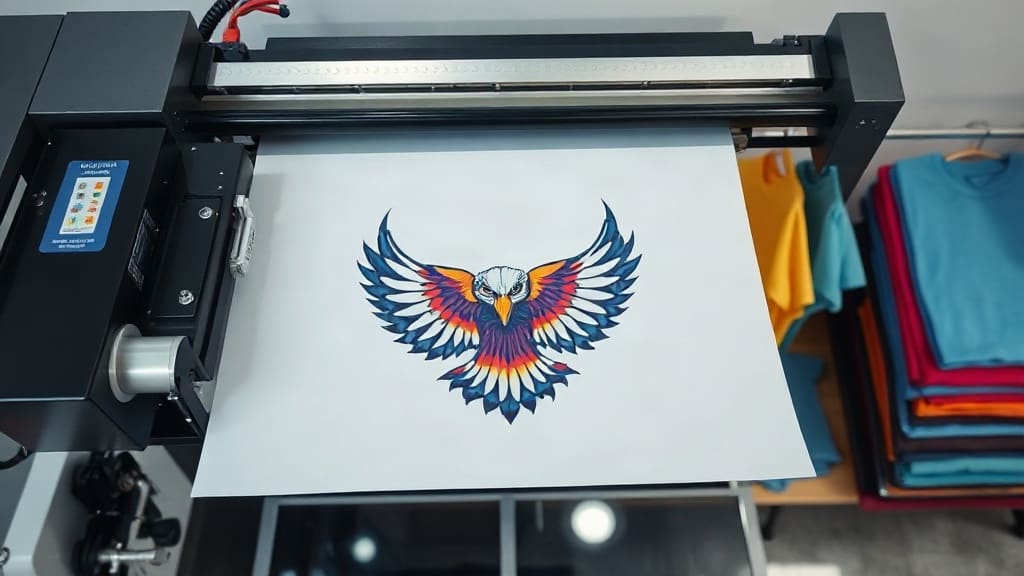
You've likely seen the acronym DTF popping up in custom apparel groups and wondered what the fuss is about. DTF, or Direct to Film, is a game-changing printing method that lets you produce vibrant, detailed transfers on a wide range of fabrics. As demand grows, more shops are offering DTF transfers, but not all are created equal. If you've typed "dtf transfers near me" into a search engine, you might feel overwhelmed by choices. In this guide, I'll walk you through the process of finding a provider that truly meets your needs, whether you're a hobbyist pressing shirts at home or a business owner scaling up production.
My own journey with DTF started two years ago when I needed to fulfill a rush order for a local sports team. I had no idea what to look for, and I ended up with transfers that cracked after the first wash. Since then, I've tested multiple suppliers, learned the technical details, and now I'm sharing my insights so you can avoid those costly mistakes.
Why Choose DTF Over Other Methods?
Before searching for a local shop, it's helpful to understand why DTF is so popular. Unlike screen printing, which requires separate screens for each color, DTF prints full-color designs on a special film in one pass. The transfer is then applied with heat, and it adheres well to cotton, polyester, blends, and even tricky materials like nylon (with the right adhesive).
Compared to heat transfer vinyl (HTV), DTF allows for far more detail and doesn't require weeding. For small orders, DTF is cost-effective because there's no setup fee. And unlike direct-to-garment (DTG), which prints directly on the shirt, DTF prints on film first, so you can store the transfers and apply them as needed. That flexibility is a huge advantage for on-demand sellers.
What to Look for in a DTF Transfer Provider
When you search for DTF transfers near me, you'll likely see a mix of large online companies and local print shops. Both can be excellent, but here are the key factors to evaluate:
Print Quality and Resolution
Ask to see physical samples, not just digital mockups. High-quality DTF transfers should have crisp edges, vibrant colors, and no banding or pixelation. The white underbase should be opaque, especially on dark garments. A reputable provider will happily send you a sample pack for a small fee.
Film and Adhesive Quality
The type of film used affects durability. Some cheap films stretch or crack easily. Professional shops use high-quality PET film and a powder adhesive that melts evenly. You can test this by stretching the transfer after pressing; if the adhesive flakes or the film shows through, it's a red flag.
Production Time and Turnaround
If you're on a deadline, ask about their production schedule. Some local shops can turn orders around in 24 hours, while others may take a week. Also, check if they offer rush services and what the extra cost is. I once paid double for overnight delivery but got the transfers in time for a Friday event, which was worth it.
Pricing Structure
Transparent pricing is essential. Look for a shop that lists prices per transfer size and quantity. Be wary of hidden fees like setup charges or color matching fees. A good rule of thumb: if a quote seems too good to be true, it probably is. Extremely low prices often mean thin adhesive or low-resolution prints that won't last.
Customer Reviews and Reputation
Check Google Reviews, Yelp, and social media. Look for comments about durability, color accuracy, and customer service. A pattern of negative feedback about peeling or fading should steer you away. Also, ask the provider for references from other customers in your industry.
Questions to Ask Before You Order
Once you've narrowed down a few shops, contact them with specific questions. Here are the ones I always ask:
- What is your maximum color count and file format? (Most accept PNG, PDF, or AI files with transparent backgrounds.)
- Do you offer a white underbase for dark fabric? (Yes should be the answer.)
- What is your recommended press time, temperature, and pressure? (They should provide detailed instructions.)
- Can you send me a sample of a similar color and size? (If they hesitate, that's a concern.)
- What is your policy on color matching? (Many shops offer free digital proofing, but physical matches may cost extra.)
- Do you use OEM or third-party inks? (This affects washability and hand feel.)
Asking these questions not only helps you gauge their expertise but also builds a relationship. The best providers are happy to educate their customers.
Comparing Local Shops vs. Online DTF Companies
When you search for "DTF transfers", you'll find giants like Stahls' and Supacolor, but also many smaller online operations. Local shops often offer the advantage of face-to-face consultations and faster turnarounds for urgent orders. You can physically inspect the film quality and see the printing process. However, they might have higher overhead costs, which can reflect in the price.
Online companies usually have lower prices due to scale, but shipping time and costs can add up. They may also have long lead times during peak seasons. I've found that a hybrid approach works well: use a local shop for small test orders and quick jobs, and an online provider for bulk runs if the quality is consistent.
How to Test DTF Transfer Quality at Home
Once you receive your first order, don't rush to press all of them. Do a test press on a sample garment. Use the recommended settings, then wash it at least three times with heavy-duty detergent. Look for signs of cracking or peeling. Also, stretch the fabric to see if the transfer flexes without breaking.
I once received transfers that looked perfect but after one wash, the edges started curling. That was due to low-quality adhesive powder. The provider offered a refund, but I had already ruined several shirts. So, always test a few before committing to a large batch.
Common Mistakes to Avoid When Ordering DTF Transfers
From my experience and conversations with other print shop owners, these are the top blunders:
- Ignoring the resolution: Submitting a low-resolution image will result in pixelated prints. Always provide files at 300 DPI or higher.
- Not checking the fabric: DTF works best on cotton and cotton blends. On 100% polyester, the transfer might not bond as well, and you may need a special adhesive. Ask the provider for advice.
- Forgetting to mirror the design: DTF transfers are applied face down, so the print must be mirrored. Most shops will handle this, but double-check your file.
- Skipping the proof: Always ask for a digital proof before they print. This is your chance to catch typos or color issues.
- Assuming all DTF is the same: There are variations in film thickness, adhesive strength, and ink quality. Don't switch suppliers solely based on price.
The Future of DTF in the Custom Apparel Industry
As more businesses discover the versatility of DTF, we're seeing innovations like white-toner printers for even brighter colors on dark fabrics and eco-friendly inks. Local shops that invest in good equipment will continue to thrive because they offer the personal touch that online giants can't replicate. For you, the consumer, this means more choices and better quality.
If you're just starting, I recommend ordering sample packs from two or three local providers. Press them on different fabric types, wash them, and compare the results. This small investment will save you from costly mistakes down the line.
How to Build a Lasting Relationship with Your DTF Supplier
Once you find a reliable source, treat them as a partner. Send them your designs well in advance, provide clear instructions, and be open to their suggestions. Many shops offer discounts for repeat customers or bulk orders. I've built a relationship with my local shop, and they now offer me a 10% loyalty discount and prioritize my rush orders.
Also, give them feedback. If a transfer fails, let them know so they can improve. Good suppliers appreciate constructive criticism and will work to correct issues.
Conclusion: Your Next Steps to Getting the Best DTF Transfers
Finding high-quality DTF transfers doesn't have to be a gamble. By understanding what makes a great transfer, asking the right questions, and testing samples, you can confidently choose a provider that meets your needs. Whether you search for "dtf transfers near me" or venture online, the same principles apply: quality, transparency, and reliability.
I encourage you to reach out to a few local shops today. Ask for samples, compare their offerings, and make an informed decision. Your customers will notice the difference, and your business will benefit from durable, vibrant prints that stand the test of time.
Frequently Asked Questions
Can I use DTF transfers on dark-colored shirts?
Yes, DTF transfers work beautifully on dark garments because of the white underbase layer. The white adhesive powder and white ink create an opaque foundation that makes colors pop. Just ensure the provider uses a strong white underbase and the right pressing technique.
What is the difference between DTF and screen printing?
Screen printing requires creating screens for each color, which is expensive for small orders but cost-effective for large quantities. DTF prints full-color designs on film in one go, making it ideal for low quantities and complex designs. DTF also offers better detail and a softer hand feel than many screen printed garments.
How long do DTF transfers last?
With proper application and care, DTF transfers can last over 50 washes without cracking or fading. The key is to use high-quality materials and follow the recommended washing instructions: turn the garment inside out, use cold water, and avoid bleach. Poor quality transfers may start to fail after 10-20 washes.
What files do I need to send to a DTF printer?
Most DTF providers accept high-resolution PNG files with transparent backgrounds, but they can also work with PDF, AI, or PSD. Ensure your design is at least 300 DPI at the final print size. If you're not sure, ask the shop for their preferred file format and resolution requirements.
How much do DTF transfers cost per print?
The cost varies based on size, quantity, and the number of colors. For a standard 8x10 inch transfer, prices typically range from $2 to $5 per transfer for smaller orders, dropping to under $1 for bulk quantities. Setup fees are rare, but some shops charge extra for color matching or rush delivery.