
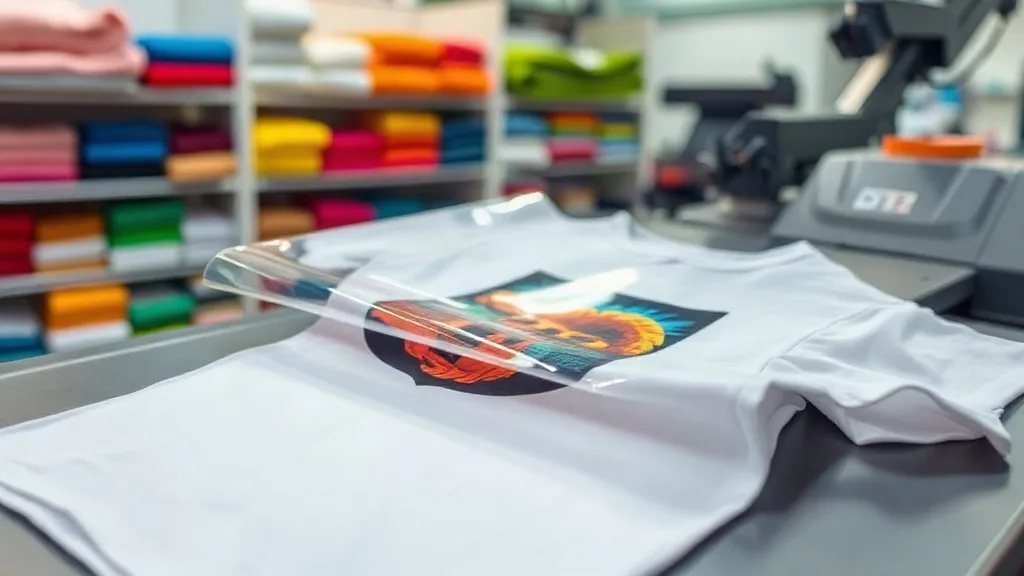
When you first hear about dtf transfers, you might wonder if they're worth the hype. The short answer: absolutely. DTF, or direct-to-film, printing has revolutionized the world of custom apparel by making it possible to print vibrant, durable designs on almost any fabric without the need for specialized equipment. Whether you're a hobbyist looking to create personalized gifts or a small business owner wanting to expand your product offerings, understanding DTF transfers is your ticket to professional-quality results.
In this guide, we'll walk you through the entire process, from selecting the right transfers to applying them flawlessly. We'll also share insider tips to help you avoid common mistakes that can ruin your prints. By the end, you'll have the confidence to tackle any DTF project with ease.
What Are DTF Transfers and Why They're a Game-Changer
DTF transfers are printed designs on a special film that can be heat-pressed onto fabrics. Unlike other printing methods that require specific materials or complex setups, DTF works on cotton, polyester, blends, and even tough fabrics like canvas and denim. The process involves printing your design onto a film using specialized inks, applying a powder adhesive, and then curing it. When you're ready to use it, you simply heat press it onto your garment.
The beauty of dtf transfers lies in their versatility and durability. They produce bright, photo-quality images that withstand repeated washing without cracking or fading. Plus, they're cost-effective for small batches and offer incredible detail, making them perfect for intricate designs.
Choosing the Right DTF Transfers for Your Project
Not all DTF transfers are created equal. The quality of the film, ink, and adhesive powder plays a huge role in the final outcome. When shopping for dtf transfers near me, look for suppliers that use premium materials and offer clear instructions. A reputable supplier will provide transfers that are easy to work with and produce consistent results.
Consider the fabric you'll be printing on. While DTF works on many materials, some fabrics require slight adjustments in temperature or pressure. For example, polyester blends may need a lower temperature to prevent scorching, while cotton can handle higher heat. Always test on a scrap piece first.
Understanding Film Types
DTF films come in two main types: hot peel and cold peel. Hot peel transfers are designed to be removed immediately after pressing while the film is still hot. They're faster to work with but require quick, confident peeling. Cold peel transfers must cool completely before peeling, which takes longer but often results in a smoother finish. Both types have their place, so choose based on your workflow and preferences.
Step-by-Step Application Process
Applying DTF transfers is straightforward if you follow the right steps. Here's a detailed breakdown:
- Preheat your heat press. Set the temperature according to the transfer instructions (typically between 300°F and 325°F).
- Pre-press the garment. This removes moisture and wrinkles, ensuring a smooth surface for the transfer.
- Position the transfer. Place the transfer on the garment with the printed side facing up. Use heat-resistant tape to hold it in place if needed.
- Press. Apply medium to firm pressure for the recommended time (usually 10-15 seconds).
- Peel the film. Follow the instructions for hot or cold peel.
- Post-press (optional). For extra durability, press again with a Teflon sheet or parchment paper for a few seconds.
Practice on a scrap fabric first to dial in your settings. Each heat press may vary slightly, so don't be afraid to experiment.
Design Tips for Stunning DTF Prints
Your design choices significantly impact the final look. Here are some key considerations:
- Resolution: Use high-resolution images (300 DPI or higher) to avoid pixelation.
- Color mode: Design in CMYK for accurate color reproduction.
- Background: Remove backgrounds for a clean print, unless you want a full rectangular block.
- Size: Ensure your design fits within the transfer sheet dimensions.
Also, think about the fabric color. DTF transfers are opaque, so they show up well on both light and dark garments. However, if your design has white elements, they will appear white on any fabric, which is a huge advantage over other printing methods.
Avoiding Common Pitfalls
Even seasoned pros can run into issues. Here's how to sidestep the most frequent problems:
- Insufficient pressure: If the transfer doesn't adhere properly, increase pressure. Too little pressure results in poor bonding and wash-off.
- Wrong temperature: Too hot and you'll scorch the fabric or melt the film; too cold and the adhesive won't activate. Always follow the supplier's recommendations.
- Peeling too early or too late: For hot peel, peel immediately; for cold peel, wait until completely cool. Peeling at the wrong time can cause the design to crack or lift.
- Ignoring fabric type: Some fabrics like nylon or waterproof materials may require special low-temperature transfers. Test first.
By being mindful of these details, you'll achieve consistent, professional results every time.
Troubleshooting: What to Do When Things Go Wrong
If your transfer doesn't stick, cracks after washing, or looks dull, don't panic. Here's a quick troubleshooting guide:
- Transfer not adhering: Increase pressure, temperature, or press time. Ensure the garment is flat and free of wrinkles.
- Cracking: Usually caused by under-pressing or stretching the fabric during peeling. Try a longer press time or a cold peel transfer.
- Dull colors: May be due to insufficient pressure or using too high a temperature (which can degrade the ink). Check your press settings.
- Film sticking to the garment: This happens when the transfer is peeled too early (for cold peel) or too late (for hot peel). Follow the peel timing precisely.
Remember, most issues can be fixed by adjusting your heat press settings or technique.
Why Choose DTF Transfers for Your Business
If you're running a print-on-demand business, DTF transfers offer compelling advantages. They eliminate the need for expensive equipment like screen printers or DTG machines, and you can produce small batches without minimum orders. Plus, the prints are incredibly durable, leading to happy customers and fewer returns.
When you search for dtf transfers near me, you'll find local suppliers who can provide quick turnaround and support. Building a relationship with a reliable supplier ensures you always have high-quality transfers on hand.
Frequently Asked Questions
Can I use DTF transfers on 100% cotton?
Yes, DTF transfers work beautifully on 100% cotton. The adhesive bonds well with natural fibers, and the prints remain soft and flexible. Just be sure to pre-press the garment to remove moisture, and follow the recommended temperature and pressure settings.
How do I store unused DTF transfers?
Store them in a cool, dry place away from direct sunlight. Keep them flat to prevent curling. Avoid high humidity, as moisture can affect the adhesive powder. Properly stored transfers can last for several months.
What's the difference between DTF and DTG printing?
DTG (direct-to-garment) printing involves printing directly onto the fabric, which often requires pre-treatment and works best on cotton. DTF transfers are printed on a film and then applied with heat, making them more versatile across fabric types and more durable for intricate designs.
Can I layer DTF transfers?
Yes, you can layer multiple transfers to create multi-color designs. Press each layer separately, allowing it to cool before adding the next. This technique is great for achieving complex, vibrant looks.
How long do DTF prints last?
With proper application and care, DTF prints can last as long as the garment itself. They resist cracking, fading, and peeling even after many washes. Always turn the garment inside out and wash in cold water to prolong the life of the print.