
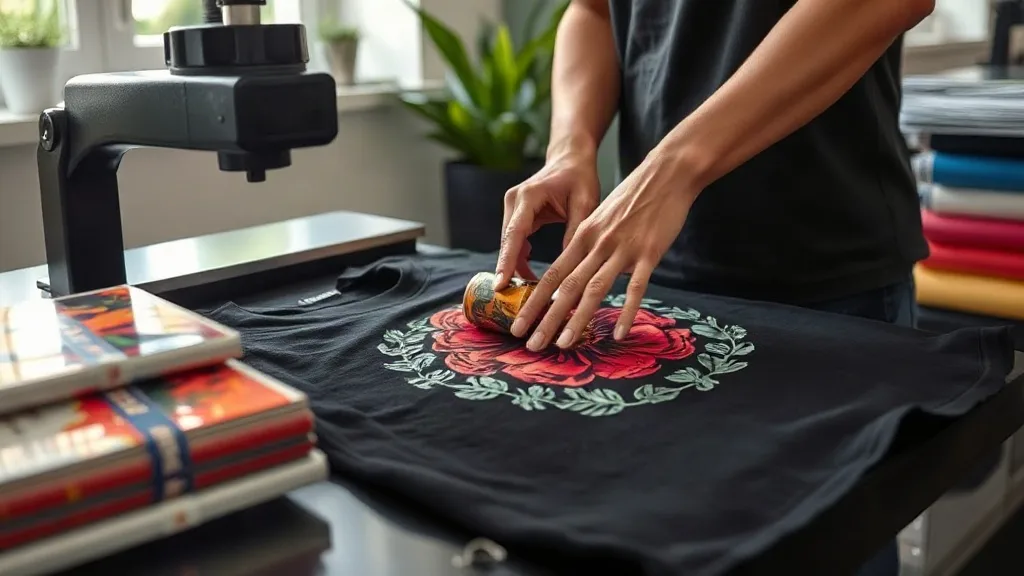
If you've been exploring custom apparel printing, you've likely come across dtf transfers as a game-changing method. Unlike traditional techniques that require specialized equipment or complex setups, DTF (Direct to Film) printing offers a straightforward way to produce vibrant, detailed designs on a wide range of fabrics. In this guide, we'll walk you through everything you need to know about DTF transfers, from how they work to why they might be the perfect fit for your next project.
What Are DTF Transfers?
DTF transfers are a type of heat-applied transfer that allows you to print intricate designs onto garments without the need for specialized pretreatment or expensive machinery. The process involves printing your artwork onto a special film using dtf printers, then applying a powder adhesive, and finally heat-pressing the film onto the fabric. The result is a durable, full-color print that adheres well to cotton, polyester, blends, and even some non-woven materials.
The DTF Printing Process Step by Step
Understanding the DTF process helps you appreciate its advantages and troubleshoot any issues. Here's a breakdown:
- Design Preparation: Your artwork is prepared digitally, with colors separated and adjusted for optimal printing.
- Printing: A DTF printer lays down a layer of white ink followed by CMYK colors onto a PET film. The white ink acts as a base, ensuring opacity on dark fabrics.
- Powder Application: While the ink is still wet, a hot-melt adhesive powder is applied to the printed film. Excess powder is shaken off.
- Curing: The film is heated to melt the powder, creating a dry, tacky surface that will bond with fabric.
- Heat Pressing: The transfer is placed on the garment and pressed with a heat press at a specific temperature and pressure. After cooling, the film is peeled away, leaving the design behind.
Why Choose DTF Transfers for Custom Apparel?
DTF transfers have gained popularity for several compelling reasons. Here are some of the key benefits that make them stand out:
- Vibrant Colors and Fine Details: DTF printers can reproduce complex gradients, photorealistic images, and fine lines with impressive accuracy. The white ink base ensures that colors pop even on dark garments.
- Versatility Across Fabrics: Unlike some methods that work best on cotton, DTF transfers adhere well to polyester, blends, and even treated nylon. This makes them ideal for a wide range of apparel, from performance wear to fashion tees.
- No Pretreatment Required: DTF eliminates the need for pretreating shirts, saving time and reducing chemical use. This simplifies the workflow, especially for small businesses or hobbyists.
- Durability: When applied correctly, DTF transfers are highly durable, withstanding multiple washes without significant fading or cracking. The prints remain flexible and soft to the touch.
- Cost-Effective for Short Runs: DTF transfers are economical for small batches and one-off designs because there's no minimum order quantity and no need for screens or plates.
DTF vs. Other Printing Methods
How does DTF stack up against other popular printing techniques? Let's compare:
DTF vs. Screen Printing
Screen printing is cost-effective for large orders but requires setup time and costs for each color. DTF excels in short runs and complex designs with many colors, as there's no per-color cost. However, for very large orders of simple designs, screen printing can be more economical.
DTF vs. DTG (Direct to Garment)
DTG printing directly applies ink to the fabric, which works well on 100% cotton but struggles on polyester blends. DTF adheres to a wider range of fabrics and often produces more vibrant colors on dark shirts. DTG may have a softer hand feel, but DTF has improved significantly and offers better durability on synthetic fabrics.
DTF vs. Vinyl (HTV)
Heat transfer vinyl is great for simple shapes and text but isn't suitable for complex, multi-color designs. DTF handles intricate artwork with ease and eliminates the weeding process, making it faster for detailed designs.
Choosing the Right DTF Transfers
When sourcing DTF transfers, quality matters. Look for transfers that use high-quality inks and films to ensure vibrant colors and durability. If you're searching for dtf transfers near me, consider online suppliers that offer fast shipping and reliable products. At DTFMaxi, we provide premium DTF transfers with vibrant colors and fine details, ready to apply to your garments.
Tips for Flawless Application
To get the best results from your DTF transfers, follow these practical tips:
- Preheat the Garment: Remove moisture and wrinkles by pressing the shirt for a few seconds before applying the transfer. This improves adhesion.
- Use the Right Settings: Follow the recommended temperature, pressure, and time for your specific transfer and fabric. Typically, 300-325°F (150-160°C) for 10-15 seconds with medium pressure works well.
- Peel Correctly: Most DTF transfers are cold peel, meaning you should wait until the transfer cools completely before peeling the film. This prevents the design from stretching or distorting.
- Post-Press for Durability: After peeling, press the design again for a few seconds with a protective sheet (like parchment paper) to enhance wash durability.
- Wash Inside Out: To prolong the life of your DTF prints, wash garments inside out in cold water and avoid harsh detergents or fabric softeners.
Common Questions About DTF Transfers
How long do DTF transfers last?
With proper application and care, DTF transfers can last as long as the garment itself, often 50+ washes without significant fading or cracking.
Can I use DTF transfers on dark shirts?
Absolutely. DTF transfers include a white ink base that ensures colors remain vibrant and opaque on dark fabrics.
Do I need a special printer to make DTF transfers?
Yes, DTF transfers require a DTF printer and a heat press. However, you can purchase pre-printed transfers from suppliers like DTFMaxi and apply them with just a heat press.
What fabrics work best with DTF?
DTF works on cotton, polyester, blends, and many other fabrics. It's particularly effective on polyester and blends where other methods may struggle.
Is DTF transfers cost-effective for small businesses?
Yes, DTF is cost-effective for short runs and one-off designs because there are no minimums and no setup fees. It allows small businesses to offer custom apparel without large upfront costs.
Ready to elevate your custom apparel? Explore our range of high-quality DTF transfers at DTFMaxi and experience the difference vibrant, durable prints can make.