
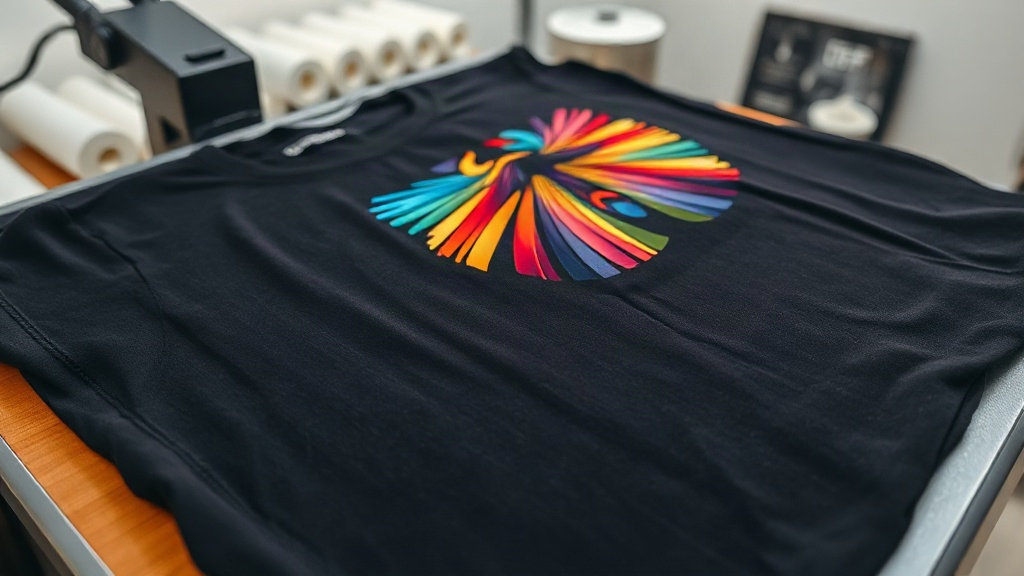
If you've been in the custom apparel game for any length of time, you've probably heard the buzz around DTF Transfers. Maybe you've seen them on social media, or a competitor started offering them and you're wondering what the fuss is about. Here's the thing: DTF transfers aren't just another passing trend. They're a genuine game-changer for anyone who wants to print vibrant, durable designs on a wide range of fabrics without the headaches of traditional methods. In this guide, we'll dive deep into what DTF transfers are, how they work, and why they might just become your new secret weapon.
What Are DTF Transfers?
DTF stands for Direct to Film. It's a printing technology where your design is printed onto a special film, coated with a heat-activated adhesive powder, and then transferred onto fabric using a heat press. Unlike DTG (Direct to Garment) printing, which prints directly onto the shirt, DTF transfers allow you to print on virtually any fabric, including cotton, polyester, blends, and even nylon. The process is relatively simple: print, powder, cure, press. But the results are anything but simple. You get incredibly detailed, vibrant prints that stretch with the fabric and withstand repeated washing.
Why DTF Transfers Are Taking Over the Custom Apparel Industry
There are several reasons why DTF transfers have become so popular among small business owners, crafters, and large-scale manufacturers alike. Let's break down the key advantages.
Unmatched Versatility
One of the biggest pain points with other printing methods is fabric limitations. Screen printing works best on cotton, DTG struggles with polyester, and vinyl is limited in color and detail. DTF transfers blow those limitations out of the water. You can apply them to almost any fabric, from 100% cotton to 100% polyester, and even to treated leather and denim. This means you no longer need to stock multiple types of blanks or turn down orders because of fabric constraints. Whether you're printing on performance wear, canvas tote bags, or corporate uniforms, DTF transfers have you covered.
Vibrant Colors and Fine Detail
DTF transfers produce stunning, high-resolution prints with exceptional color vibrancy. Because the design is printed on film, you can achieve gradients, fine lines, and photographic details that would be difficult or impossible with other methods. And since the adhesive powder is white, you can print bright colors on dark garments without a white underbase, which is a common requirement in DTG printing. This opens up a world of creative possibilities for your designs.
Durability That Withstands the Wash
Nobody wants a custom shirt that fades or cracks after a few washes. DTF transfers are known for their excellent washability. When applied correctly, the print stretches with the fabric and remains intact through dozens of wash cycles. The key is proper application: the right temperature, pressure, and time. We'll cover that later. But rest assured, a well-applied DTF transfer can outlast the garment itself.
Cost-Effective for Small and Large Runs
Unlike screen printing, which requires separate screens for each color and becomes cost-prohibitive for small batches, DTF transfers are economical for both short and long runs. You can print one-off designs without breaking the bank, making them perfect for custom orders, samples, and limited editions. For larger orders, the cost per print drops significantly, making DTF a competitive option for bulk production as well.
How DTF Transfers Work: A Step-by-Step Breakdown
Understanding the process helps you troubleshoot issues and get the best results. Here's what happens from digital file to finished garment.
- Design Preparation: Your artwork is prepared in a graphics program, ensuring it's in the correct color mode (CMYK) and at the desired resolution (typically 300 DPI).
- Printing: A DTF printer uses special pigment inks to print the design onto a PET film. The printer lays down a layer of white ink first (if needed), followed by the color layers.
- Powdering: While the ink is still wet, a fine adhesive powder is applied evenly over the printed film. The powder sticks to the wet ink.
- Curing: The film is then heated to melt the powder, creating a flexible, adhesive layer that will bond to the fabric.
- Transfer: The cured film is placed on the garment and pressed with a heat press at a specific temperature, time, and pressure. The adhesive melts, bonding the design to the fabric.
- Peeling: After pressing, the film is peeled away (hot or cold peel depending on the film), leaving the design permanently affixed to the garment.
DTF vs. Other Printing Methods: Which Wins?
Let's compare DTF transfers to the most common alternatives: screen printing, DTG, and vinyl.
- Screen Printing: Best for large runs of simple designs on cotton. DTF wins for complex, multi-color designs and small batches.
- DTG: Great for cotton, but limited on polyester and dark colors. DTF works on almost any fabric and excels on dark garments.
- Vinyl: Good for simple text and shapes, but limited in color and detail. DTF offers full-color, photographic-quality prints.
While each method has its place, DTF transfers offer a unique combination of versatility, quality, and cost-effectiveness that makes them a top choice for many applications.
Expert Tips for Flawless DTF Transfers
Getting perfect results with DTF transfers requires attention to detail. Here are some pro tips to ensure your prints look great and last.
Choose the Right Film and Powder
Not all DTF films and powders are created equal. Invest in high-quality materials from reputable suppliers. Cheaper films can cause ink bleeding or poor adhesion, while low-grade powder may result in a stiff feel or premature fading. At DTF Maxi, we offer premium supplies that are tested for consistency and performance.
Master Your Heat Press Settings
Temperature, pressure, and time are critical. As a starting point, set your heat press to 325°F (160°C) with medium pressure for 15 seconds. However, these settings can vary depending on your film and fabric. Always perform a test press on a scrap piece of fabric to dial in the perfect settings. Too little heat and the design won't adhere; too much and you risk scorching the fabric or over-melting the adhesive.
Pre-Press Your Garment
Moisture is the enemy of DTF transfers. Always pre-press your garment for a few seconds to remove wrinkles and moisture. This step ensures a smooth, dry surface for the transfer to bond to. Skipping it can lead to poor adhesion and premature peeling.
Use the Correct Peel Method
Most DTF films are cold peel, meaning you must wait for the transfer to cool completely before peeling. Peeling too early can cause the design to crack or the adhesive to stretch. Some films are hot peel, so always check the manufacturer's instructions. When in doubt, cold peel is safer.
Store Your Transfers Properly
If you're not using your DTF transfers immediately, store them in a cool, dry place away from direct sunlight. Humidity can affect the adhesive powder, so keep them in an airtight container or bag. Proper storage ensures they remain ready to use when you are.
Troubleshooting Common DTF Transfer Issues
Even with the best practices, things can go wrong. Here's how to fix common problems.
- Design peels off after washing: Likely insufficient pressure or incorrect temperature. Increase pressure and ensure even heat distribution.
- Cracking: Often caused by over-stretching the garment before the transfer cools, or too much powder. Use less powder and handle with care.
- Dull colors: May be due to under-curing or low-quality ink. Ensure proper curing and use high-quality inks.
- Adhesive residue on film: Indicates insufficient powder or uneven application. Re-powder and ensure full coverage.
Applications of DTF Transfers: Beyond T-Shirts
While t-shirts are the most common canvas, DTF transfers shine on many other items. Here are some ideas to expand your product line.
- Hoodies and Sweatshirts: Works great on cotton/poly blends.
- Canvas Bags: Add vibrant designs to tote bags for a personalized touch.
- Denim Jackets: Create custom patches or all-over prints.
- Performance Wear: Ideal for polyester jerseys and activewear.
- Home Decor: Personalize pillowcases, aprons, and more.
Frequently Asked Questions About DTF Transfers
How long do DTF transfers last?
When applied correctly, DTF transfers can last as long as the garment itself, often 50+ washes without significant fading or cracking. Proper washing (inside out, cold water, no bleach) extends their life.
Can I use DTF transfers on 100% polyester?
Yes, DTF transfers work exceptionally well on polyester and polyester blends. The low-temperature application prevents dye migration, and the print remains flexible.
Do I need a special printer for DTF transfers?
Yes, DTF printing requires a dedicated DTF printer that uses pigment inks and a white ink channel. However, you can also buy pre-printed transfers from suppliers like DTF Maxi if you don't want to invest in a printer.
What's the difference between DTF and DTG?
DTG prints directly onto the garment, while DTF prints onto a film that is then transferred. DTF offers more fabric versatility and vibrant colors on dark garments, while DTG is limited mostly to cotton.
How do I wash a DTF-printed garment?
Turn the garment inside out, wash in cold water with mild detergent, and avoid bleach or fabric softener. Tumble dry low or hang dry. Do not iron directly on the print.
DTF transfers are more than a trend; they're a robust, flexible, and cost-effective solution for custom apparel decoration. Whether you're a hobbyist or a growing business, mastering DTF transfers can open up new opportunities and delight your customers. With the right supplies and techniques, you'll be creating stunning, durable prints in no time.