
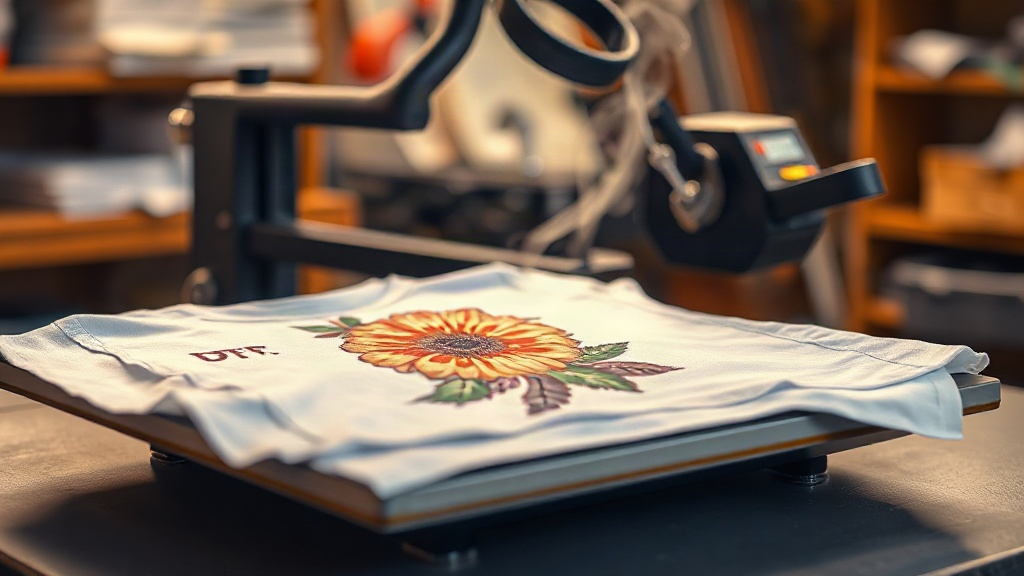
If you've been exploring custom apparel printing, you've likely encountered DTF Transfers (Direct to Film). Unlike traditional methods that require specialized equipment or specific fabric types, DTF transfers offer a versatile and accessible solution for vibrant, durable prints on almost any material. In this guide, we'll walk you through everything you need to know to get started with DTF transfers, from the basics to pro tips for flawless results.
What Are DTF Transfers?
DTF Transfers are a type of heat transfer that involves printing your design onto a special film, coating it with a powder adhesive, and then using a heat press to apply it to your garment. The process begins with a digital printer that uses pigment-based inks to print the design onto a PET film. While the ink is still wet, a hot melt adhesive powder is applied, which sticks to the ink. After shaking off the excess powder, the film is cured, and the design is ready to be transferred.
The magic of DTF Transfers lies in their ability to bond with a wide range of fabrics, including cotton, polyester, blends, and even nylon. This sets them apart from other transfer methods like vinyl or screen printing, which may require specific fabric compositions or multiple steps.
Why Choose DTF Transfers?
There are several compelling reasons why DTF Transfers have become a favorite among crafters and small business owners:
- Fabric versatility: Works on cotton, polyester, cotton-poly blends, leather, and more.
- No weeding required: Unlike vinyl, you don't need to cut and weed intricate designs. The printer handles all the details.
- Vibrant colors: DTF prints can achieve bright, opaque colors, even on dark garments, without a white underbase.
- Durability: When applied correctly, DTF transfers withstand repeated washing without cracking or fading.
- Cost-effective for small batches: No minimum order quantities, making it ideal for custom orders.
Whether you're printing a single shirt for a birthday or a small batch for a team, DTF Transfers deliver professional-looking results without the need for expensive screen printing setups.
How to Apply DTF Transfers: Step-by-Step
Applying DTF Transfers is straightforward, but following the correct steps ensures a long-lasting, wash-durable print. Here's a detailed guide:
1. Prepare Your Workspace and Materials
Gather the following:
- Heat press (or an iron with no steam, though a heat press is recommended)
- DTF transfer film with your design
- Garment (pre-washed if cotton to minimize shrinkage)
- Heat-resistant tape (optional, for holding the transfer in place)
- Parchment paper or Teflon sheet
Set your heat press to the recommended temperature, typically around 300°F to 325°F (150°C to 160°C). Each film manufacturer may have specific settings, so always check the instructions.
2. Pre-Press the Garment
Pre-pressing removes moisture and wrinkles, ensuring a smooth surface for the transfer. Press the garment for 5-10 seconds. This step is crucial for adhesion.
3. Position the Transfer
Place the DTF transfer film onto the garment with the printed side facing up. If your design is intricate, use heat-resistant tape to secure it in place.
4. Press the Transfer
Cover the transfer with parchment paper or a Teflon sheet. Apply medium to firm pressure for 10-15 seconds. The exact time depends on your press and film; start with 12 seconds and adjust as needed.
5. Peel the Film
DTF transfers can be peeled either hot or cold, but most modern films are designed for cold peel. Wait a few seconds for the transfer to cool slightly, then peel the film off in a smooth, consistent motion. If any part of the design lifts, lay the film back down and press again for a few seconds.
6. Post-Press for Durability
For added durability, cover the design with parchment paper and press again for 5-10 seconds. This ensures the adhesive fully cures and the print withstands washing.
Common Mistakes to Avoid with DTF Transfers
Even though DTF transfers are forgiving, a few missteps can ruin your project. Watch out for these:
- Insufficient pressure: Without enough pressure, the transfer won't adhere properly, leading to peeling.
- Wrong temperature: Too hot and the film may melt or the ink may scorch; too cold and the adhesive won't activate.
- Not pre-pressing: Moisture in the fabric can cause the transfer to lift.
- Peeling too soon or too late: Follow the film's instructions for hot vs. cold peel.
- Stretching the garment during application: This can distort the design.
By avoiding these pitfalls, you'll achieve consistent, professional results.
DTF Transfers vs. Other Printing Methods
How do DTF Transfers stack up against other popular printing techniques?
- DTF vs. DTG (Direct to Garment): DTG requires pre-treatment and works best on 100% cotton. DTF works on more fabrics and often has a softer feel.
- DTF vs. Vinyl: Vinyl is great for simple, single-color designs but can't handle complex gradients. DTF excels with full-color, detailed images.
- DTF vs. Screen Printing: Screen printing is cost-effective for large orders but requires setup and is limited to fewer colors. DTF is ideal for small batches and multi-color designs.
For many small businesses and hobbyists, DTF Transfers offer the best balance of quality, versatility, and cost.
Tips for Long-Lasting DTF Prints
To ensure your DTF-printed garments survive many washes, follow these care tips:
- Wait 24 hours before the first wash to let the adhesive fully cure.
- Wash inside out in cold water.
- Avoid fabric softeners and bleach.
- Tumble dry low or hang dry.
- Do not iron directly on the print; if needed, iron inside out.
With proper care, your DTF prints can last as long as the garment itself.
Frequently Asked Questions
Can I use DTF transfers on dark fabrics?
Yes! DTF transfers are excellent for dark fabrics because the white ink layer in the transfer provides a bright base, making colors pop without the need for a separate white underbase.
Do I need a special printer for DTF transfers?
You need a DTF printer that uses pigment inks and can print on PET film. However, if you don't want to invest in a printer, you can order custom DTF transfers from a service like DTF Maxi and apply them with a heat press.
How durable are DTF transfers?
When applied correctly, DTF transfers are highly durable and can withstand 50+ washes without cracking, peeling, or fading. Proper washing and care extend their life even further.
What fabrics work best with DTF transfers?
DTF transfers adhere well to cotton, polyester, cotton-poly blends, and even some synthetic fabrics like nylon. They are not recommended for fabrics with heavy coatings or waterproof treatments.
Can I stretch the garment after applying a DTF transfer?
DTF transfers have some elasticity, but excessive stretching can cause the print to crack over time. It's best to avoid stretching the printed area significantly.
With this guide, you're ready to dive into the world of DTF Transfers and create stunning, durable prints on a wide range of garments. Whether you're a hobbyist or a business owner, DTF transfers offer a reliable and versatile solution for all your custom apparel needs.