
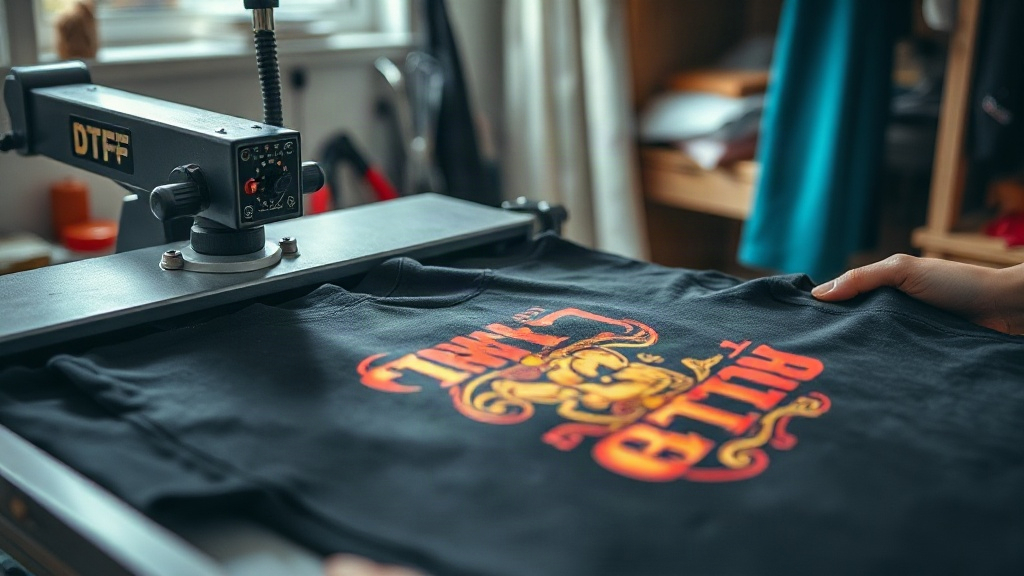
When you first hear about DTF Transfers, it might sound like another industry acronym. But for anyone who customizes apparel, from hobbyists to small business owners, DTF transfers have become a game-changer. Unlike traditional methods that require specific fabrics or complicated setups, DTF transfers offer a straightforward way to get vibrant, detailed designs onto almost any material. In this guide, I'll walk you through what DTF transfers are, how they work, and how you can use them to create professional-looking products without a steep learning curve.
What Are DTF Transfers?
DTF stands for Direct to Film. It's a printing technology where your design is printed onto a special film, coated with a powdered adhesive, and then heat-pressed onto the fabric. The result is a soft, stretchable print that bonds well with cotton, polyester, blends, and even some non-fabric surfaces like leather or canvas. Unlike DTG (Direct to Garment) printing, DTF doesn't require pre-treatment of the garment, and it works on dark colors just as well as light ones. That versatility is why many small print shops and online sellers have adopted DTF as their go-to method.
How DTF Transfers Work: Step by Step
Understanding the process helps you troubleshoot issues and get consistent results. Here's what happens from digital file to finished product.
1. Design Preparation
Everything starts with your artwork. You'll need a digital file, ideally with transparent background and at 300 DPI for crisp details. While you can print white underbase automatically with DTF, it's good practice to ensure your design has proper color separation. Most RIP software handles this, but knowing your way around layers helps.
2. Printing onto Film
A DTF printer uses special inks (CMYK plus white) to print your design onto a PET film. The white ink acts as a base, allowing the colors to pop on any fabric. After printing, the film is dusted with a hot-melt adhesive powder, which is then melted into the ink using a heat source. This powder is what makes the transfer bond to the fabric when you apply heat.
3. Curing the Powder
Curing is critical. If the powder isn't melted properly, the transfer won't adhere well. Typically, you'll run the printed film through a curing oven or use a heat press at around 160°C (320°F) for a short time until the powder turns glossy. This step fuses the adhesive to the ink, creating a shelf-stable transfer that can be stored for weeks.
4. Heat Press Application
When you're ready to apply, you'll use a heat press. Set it to about 160°C (320°F) with medium pressure. Place the transfer on the garment, cover it with a protective sheet (like parchment paper or a Teflon sheet), and press for 10-15 seconds. Then, let it cool completely before peeling off the film. The peel can be hot or cold depending on the film type, so always check the manufacturer's instructions.
Why Choose DTF Transfers?
There are several reasons DTF has gained popularity. First, it's incredibly versatile. You can print on cotton, polyester, blends, and even treat it as a way to add designs to items like tote bags, caps, and shoes. Second, the prints are durable. With proper application, a DTF transfer can withstand dozens of washes without fading or cracking. Third, the setup cost is lower than screen printing for small batches, making it ideal for custom orders or one-off designs. Plus, you can achieve fine details and gradients that might be tricky with other methods.
Common Challenges and How to Overcome Them
Like any technique, DTF has its quirks. Here are a few issues you might encounter and how to fix them.
Adhesion Problems
If your transfer peels off after washing, it's usually due to insufficient pressure, incorrect temperature, or under-cured powder. Make sure your heat press is calibrated and that you're using the right settings for your film. Also, ensure the garment is free of wrinkles and moisture before pressing.
Color Fading
Fading can happen if the transfer is over-pressed or if the garment is washed in hot water. Always wash inside out in cold water and avoid bleach. Using a quality detergent also helps maintain vibrancy.
Film Peeling Issues
Sometimes the film can be difficult to peel, especially if it's too hot or too cold. Practice with small test pieces to find the right cooling time. Some films are designed for hot peel, others for cold peel; using the wrong technique can ruin the transfer.
Tips for Flawless DTF Transfers
- Test your settings: Every heat press is different. Run a few test presses on scrap fabric to dial in temperature, pressure, and time.
- Store transfers properly: Keep unused transfers in a cool, dry place away from direct sunlight. They can last for months if stored correctly.
- Use a cover sheet: Always use a protective sheet between the transfer and the heat press to prevent sticking and scorching.
- Pre-press the garment: A quick 5-second press removes moisture and wrinkles, ensuring better adhesion.
- Choose quality materials: Not all DTF films and powders are created equal. Investing in reputable brands saves you headaches.
DTF Transfers vs. Other Printing Methods
How does DTF stack up against DTG, screen printing, and vinyl? Each has its strengths. DTG is great for 100% cotton and small details, but requires pre-treatment and can be costly for dark shirts. Screen printing is cost-effective for large runs but impractical for small batches. Vinyl is durable but limited in color and detail. DTF sits in a sweet spot: no pre-treatment, works on many fabrics, and handles complex designs with ease. It's not perfect for every scenario, but for many custom apparel needs, it's a solid choice.
Frequently Asked Questions
How long do DTF transfers last?
With proper application and care, DTF transfers can last as long as the garment itself. Expect 50+ washes if you follow washing instructions: cold water, inside out, no bleach, and tumble dry low or hang dry.
Can I use DTF transfers on dark colors?
Absolutely. DTF transfers include a white ink base that makes colors pop on dark fabrics. This is one of the main advantages over DTG, which often requires a white underbase that can feel thick.
Do I need a special printer for DTF?
Yes, you need a DTF printer that uses DTF inks and a powder shaker. However, you can also buy pre-printed transfers from suppliers if you don't want to invest in the equipment.
What fabrics work best with DTF?
DTF works on cotton, polyester, blends, and even some non-wovens. It's not recommended for nylon or fabrics with a heavy water-repellent coating, as adhesion may be poor.
How do I remove a DTF transfer?
If you need to remove a transfer, you can use a heat press or iron to reheat the adhesive and peel it off while hot. Be careful not to scorch the fabric. Sometimes a solvent like acetone can help, but test first.