
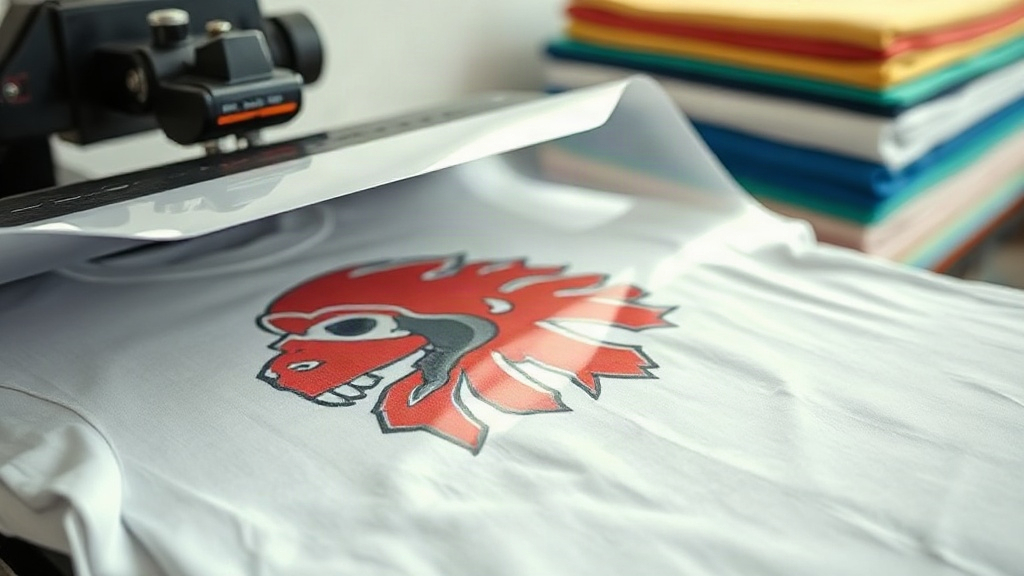
You've probably seen the incredible detail and vibrant colors that DTF printing can achieve. It's a game-changer for custom apparel, allowing you to print full-color designs onto a transfer film and apply them to a huge range of items. But here's the catch: not every fabric plays nice with DTF transfers. Choose the wrong material, and you'll end up with a cracked, faded, or peeling design before the first wash. This guide will walk you through exactly which fabrics work best, which ones need special handling, and how to get professional results every time.
Why Fabric Choice Makes or Breaks Your DTF Transfer
A DTF transfer is essentially a layer of printed adhesive film that bonds to fabric under heat and pressure. The key to a successful bond lies in how the fabric responds to that heat and how the adhesive interacts with the fibers. Natural fibers like cotton have a rough surface that the adhesive can grip onto, while synthetic fibers like polyester can melt or repel the adhesive if not handled correctly. Understanding these interactions is the first step to mastering DTF printing.
The Best Fabrics for DTF Printing
When you're starting out, stick to these fabrics for reliable, high-quality results.
100% Cotton
Cotton is the gold standard for DTF printing. Its porous surface allows the adhesive to penetrate deeply, creating a strong mechanical bond. Prints on cotton feel soft, stretch with the fabric, and withstand dozens of washes without cracking. For best results, use a tightly woven cotton like combed ringspun. Loosely woven or heavy canvas cottons may require a bit more pressure to ensure the adhesive reaches all the fibers.
Cotton-Poly Blends
Blends, such as 50/50 or 65/35, are also excellent choices. The cotton provides good adhesion, while the polyester adds durability and color vibrancy. However, be aware that higher polyester content can make the fabric more heat-sensitive. Adjust your heat press temperature down slightly (around 300°F instead of 325°F) and use a shorter press time to avoid scorching.
Polyester (With Caution)
Polyester can be tricky. It has a low melting point, and the dye used in polyester can sublimate (turn to gas) when heated, causing the design to look faded or discolored. To print on polyester successfully, use a low-temperature DTF film and press at 275-300°F for 10-15 seconds. Pre-press the garment to remove moisture and wrinkles, and always do a test press on a scrap piece first.
Nylon and Spandex
These stretchy synthetics can work, but they require a DTF film with a high-elasticity adhesive. Otherwise, the print will crack when the fabric stretches. Look for films specifically labeled for stretch fabrics, and use a lower temperature (around 280°F) with medium pressure. Allow the transfer to cool completely before stretching the garment.
Fabrics to Avoid or Handle with Extreme Care
Some materials are simply not worth the headache. Here's what to watch out for.
- Waterproof or coated fabrics: The adhesive can't bond to slick surfaces like raincoat material or waterproof nylon. The transfer will peel off immediately.
- Heavily textured fabrics: Corduroy, terry cloth, and thick fleece have deep valleys that prevent the adhesive from making full contact. You may get partial transfer or a distorted design.
- Leather and faux leather: While possible, leather requires very low temperatures (250°F or less) and a specialized low-melt film. Even then, the bond may not be permanent.
- Fabrics with a high silicone or Teflon finish: These coatings repel adhesives, making it nearly impossible to achieve a durable bond.
How to Test Any Fabric Before You Print
Before you commit to a full production run, always perform a test press on a small swatch. Here's a simple procedure:
- Pre-press the fabric for 5-10 seconds to remove moisture and wrinkles.
- Apply the DTF transfer using the recommended settings for that fabric type.
- Let it cool completely (at least 5 minutes).
- Perform a peel test: try to peel the transfer off with your fingernail. If it lifts easily, the bond is weak.
- Stretch test: gently stretch the fabric. If the print cracks, you need a more elastic film or lower temperature.
- Wash test: wash the swatch in warm water and tumble dry low. Check for fading, cracking, or peeling.
Troubleshooting Common DTF Issues on Different Fabrics
Even with the right fabric, things can go wrong. Here are quick fixes for the most common problems.
Print Peels After Washing
This usually means insufficient pressure or time. Increase pressure to medium-heavy and extend press time by 5 seconds. Also, ensure the fabric is completely dry before pressing.
Print Looks Faded or Discolored
On polyester, this is likely dye sublimation. Lower the temperature to 280°F and reduce press time. You can also use a sublimation-blocking underlay film.
Print Cracks When Stretched
Use a DTF film designed for stretch fabrics, and avoid over-stretching during application. Press at a lower temperature and allow gradual cooling.
Adhesive Residue on Fabric
This happens when the film is over-pressed. Reduce temperature and time, and make sure the film is completely cool before peeling.
Pro Tips for Flawless DTF Results on Any Fabric
- Always pre-press to remove moisture. Moisture creates steam that prevents proper adhesion.
- Use a heat press, not an iron. Irons don't provide even pressure or consistent temperature.
- Invest in a infrared thermometer to verify your press temperature. Dial settings can be inaccurate.
- Store DTF transfers in a cool, dry place. Humidity can affect the adhesive.
- For dark fabrics, use a white underbase layer if your film requires it. This ensures vibrant colors.
Frequently Asked Questions
Can I use DTF printing on 100% polyester?
Yes, but you must use low-temperature film and press at 275-300°F for 10-15 seconds. Pre-press the garment and test a swatch first to avoid dye sublimation.
What is the best fabric for DTF transfers?
100% cotton and cotton-poly blends (at least 50% cotton) yield the best results. They provide excellent adhesion and durability.
How do I prevent DTF prints from cracking on stretchy fabrics?
Use a high-elasticity DTF film, press at a lower temperature (around 280°F), and allow the transfer to cool completely before stretching the garment.
Can I DTF print on leather or faux leather?
It's possible with a specialized low-melt film and very low temperature (250°F or less), but the bond may not be as durable as on fabric. Always test first.
Why does my DTF print peel off after washing?
Peeling usually indicates insufficient pressure, too short a press time, or moisture in the fabric. Increase pressure and time, and ensure the fabric is dry before pressing.