
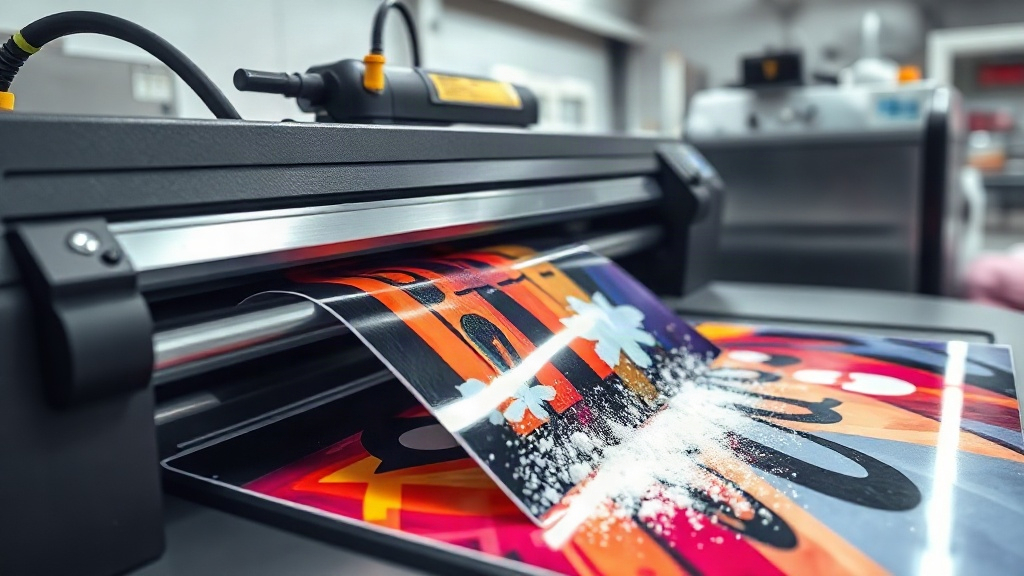
Direct-to-film (DTF) printing has rapidly become a favorite among garment decorators for its ability to produce vibrant, detailed transfers on a wide range of fabrics. Unlike other methods that require specific material blends, DTF works on cotton, polyester, blends, and even treated nylon. If you're new to this technology, this guide will walk you through the entire process, from designing to pressing, and share practical tips to help you achieve professional results.
What Is DTF Printing?
DTF printing is a digital printing technique where a design is printed onto a special film, coated with adhesive powder, and then heat-pressed onto a garment. The process involves a printer equipped with pigment inks (usually CMYK plus white), a roll of PET film, and a powder shaker. The printed film is cured, and the design is transferred to the fabric under heat and pressure. The result is a soft, stretchable print that adheres well and withstands repeated washing.
Why Choose DTF Over Other Methods?
Screen printing and DTG each have their strengths, but DTF offers unique advantages. It doesn't require color separation or screens, making short runs and full-color designs cost-effective. Unlike DTG, which often needs pre-treatment and works best on 100% cotton, DTF adheres to many fabrics without pre-treatment. The prints are also more durable and stretchable, ideal for athletic wear and garments that undergo frequent washing.
Step-by-Step DTF Printing Process
1. Design Preparation
Start with a high-resolution image (300 DPI recommended). Mirror the design horizontally before printing because the film is pressed face-down onto the fabric. Ensure your printer's software is set to mirror automatically or do it manually in your design program. Pay attention to color profiles: DTF printers use CMYK and white ink, so convert RGB colors to CMYK to avoid surprises.
2. Printing the Film
Load the PET film into your printer, ensuring the coated side faces the printhead. Set the printer to the appropriate media type and quality settings. Most DTF printers have a white ink option; the white layer is printed first as a base, followed by the color layers. This white base is crucial for opacity on dark garments. After printing, the film will have a wet, tacky surface.
3. Applying Adhesive Powder
While the ink is still wet, sprinkle the thermoplastic powder evenly over the printed area. A powder shaker or manual application works. Gently tilt the film to remove excess powder; you want a thin, uniform layer. Too much powder can cause a rough texture, while too little results in poor adhesion. The powder should stick only to the wet ink.
4. Curing the Powder
Curing is critical. Place the film in a curing oven or under a heat press (with no pressure) at around 160°C (320°F) for 2-3 minutes. The powder melts and forms a flexible, adhesive layer. Avoid overheating, which can cause the film to warp or the ink to crack. Once cured, the film can be stored for later use or pressed immediately.
5. Heat Pressing
Set your heat press to 160°C (320°F) with medium pressure. Pre-press the garment for a few seconds to remove moisture. Place the transfer face-down on the fabric, cover with a Teflon sheet or parchment paper, and press for 10-15 seconds. Remove the film while it's still warm (warm peel) for best results. Some films require cold peel; check your film's instructions.
Materials You'll Need
- DTF printer (or a converted inkjet printer with DTF inks)
- PET film (double-sided coated)
- DTF pigment inks (CMYK + white)
- Thermoplastic powder (TPU-based)
- Heat press
- Curing oven or heat gun
- Heat-resistant tape
- Teflon sheets or parchment paper
Common Challenges and How to Overcome Them
Ink Not Adhering to Film
If the ink beads up or doesn't stick, the film may be loaded incorrectly (coated side down) or the ink may be expired. Always check the film orientation and use fresh inks.
Powder Not Sticking
This usually happens if the ink is too dry before powdering. Work quickly after printing, or adjust your printer's ink density. High humidity can also affect adhesion; aim for a dry environment.
Cracking After Washing
Cracking often results from under-curing the powder or insufficient pressure during pressing. Ensure the powder is fully melted (it should look glossy) and increase pressure if needed. Also, wash garments inside out in cold water and avoid bleach.
Tips for Success
- Test your settings on scrap fabric before production runs.
- Keep your printer clean and perform regular maintenance.
- Store film and powder in a cool, dry place.
- Use a quality heat press with accurate temperature control.
- Experiment with different fabrics to understand how DTF behaves on each.
Frequently Asked Questions
What fabrics can I use with DTF printing?
DTF works on cotton, polyester, cotton-poly blends, and some synthetic fabrics like nylon (with a bonding agent). It's not ideal for fabrics with heavy coatings or waterproof treatments.
Do I need a special printer for DTF?
You can convert a standard inkjet printer (like Epson) to use DTF inks, but dedicated DTF printers are recommended for reliability and white ink circulation. They handle the thick pigment inks better and produce consistent results.
How long does a DTF transfer last?
With proper curing and pressing, DTF transfers can last 50+ washes. Following care instructions (cold wash, inside out, no bleach) will extend the life of the print.
Can I layer DTF transfers?
Yes, you can layer multiple transfers for multi-color designs, but it's often easier to print the entire design as one transfer. If layering, press each layer for a few seconds before adding the next.
Is DTF printing cost-effective for small batches?
Absolutely. Unlike screen printing, there are no setup fees or minimum orders. You can print one-offs or small batches economically, making it perfect for custom apparel and personalized gifts.
With practice and attention to detail, DTF printing can become a reliable and profitable addition to your garment decoration toolkit. Start with small tests, refine your process, and soon you'll be producing stunning transfers that impress your customers.